New rule requiring mandatory registration of pet births expected to take effect in May
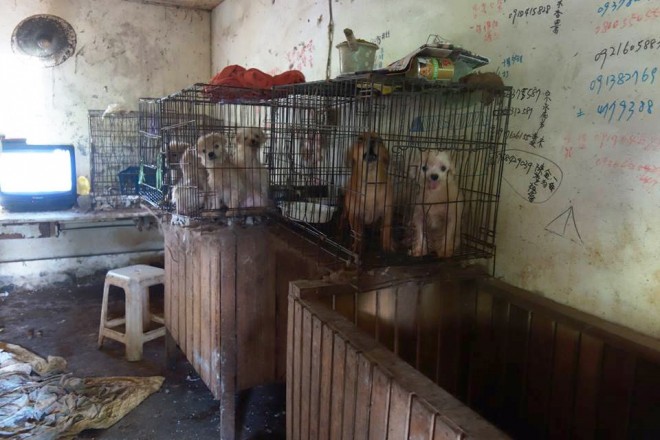
Illegal breeding and trading of cats and dogs as pets keep cropping up, but in the past the Council of Agriculture only required dogs 6 months old to be microchipped, which led to endless loopholes and drew public criticism. Today the Council of Agriculture convened relevant groups to review the Regulations Governing the Management of Specific Pet Businesses, and confirmed that in the future both cats and dogs will be brought under management: cats and dogs at breeding facilities, as well as puppies born to family dogs, must all be microchipped and have their data registered at a pet registration station. Cats and dogs as pets will effectively have an "ID card." Any buying, selling, or transfer to a new owner must also be followed by an update of the pet owner's data at a registration station. The new law is expected to officially take effect in May this year. However, at present family cats are not within the scope of mandatory management.
Regulations Governing the Management of Specific Pet Businesses revised: mandatory management of cats and dogs from birth
The Council of Agriculture enacted the Regulations Governing the Management of Specific Pet Businesses in July 2000, requiring breeding, trading, and boarding businesses to obtain a permit before operating, and requiring dogs 6 months after birth to be microchipped. But because pet registration was not mandatory, some breeders privately resold dogs before they reached 6 months of age to evade the responsibility of microchipping.
Chiang Wen-chuan, section chief of the Animal Protection Section of the Council of Agriculture's Department of Animal Industry, said that to close this loophole, the newly revised Regulations Governing the Management of Specific Pet Businesses decided to bring cat and dog pets under management from the source, mandatorily requiring that cats and dogs be microchipped at birth, while trading businesses must set up contracted pet registration stations for newborn cats and dogs to undergo pet registration, and any subsequent transfer of ownership must also be accompanied by updated data.
In other words, breeders must microchip cats and dogs after birth and carry out pet registration, entering information such as the pet's microchip ID, breed, color, sex, age, and owner name; when breeders sell the pet to a trading business, the pet's registration information must be updated; when the trading business sells to an ordinary consumer, the pet registration data must be updated once again.
Chiang Wen-chuan stressed that in the future cat and dog pets will be microchipped from the source, and every transfer of hands will require updated data. Even if a family dog breeds the next generation, or the pet is privately given away among relatives and friends, registration is uniformly required. Once a violation is discovered, a fine of 3000 to 1 wan 5000 yuan will be imposed under the Animal Protection Act, and businesses with serious violations will have their registration permits revoked.
In addition, this revision of the Regulations Governing the Management of Specific Pet Businesses also requires that future pet businesses cooperate with contracted veterinarians to supervise whether systems such as pet registration are actually implemented. Chiang Wen-chuan said that all sectors currently have consensus on the direction of the legal amendment, which is expected to be announced after the Lunar New Year and could officially take effect as early as May.