[Japan Correspondence] School Lunch Series (9) The School Lunch Revolution in Adachi Ward, Tokyo (Part 1): Lunch Is So Good That Only 5.2% Is Left Over
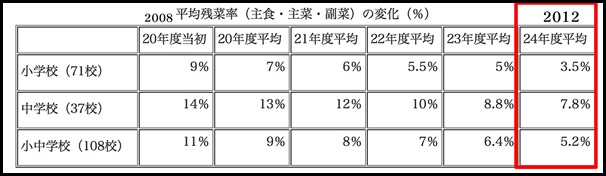
Adachi Ward, located in the eastern part of Tokyo's 23 wards, called out the slogan "zero leftovers from school lunches" in 2007 and proposed the "School Lunch Is Delicious Plan." After six years of effort, the average leftover rate at elementary and junior high schools fell sharply from 11% in 2008 to 5.2% in 2013, and the actual amount of leftovers dropped from 381 tons to 186 tons, equivalent to putting 73 million yen in food-ingredient costs to truly effective use. The share of elementary school students who felt that "school lunch time is fun" also rose from 89% to 97%. How on earth did they do it?
Rather than turning it into compost, better to let the children eat every bite
There were two reasons this plan was launched. First, current ward mayor Yayoi Kondo, during her term as a Tokyo Metropolitan Assembly member, conducted research in order to promote composting of food waste, and only then learned that school lunches actually accounted for the highest proportion of Tokyo's food waste. Second, a parent mentioned that her child had recently transferred schools, and although it was also a school within Adachi Ward, the new school's school lunches were extremely unpalatable, and the child left a great deal uneaten every day.
All schools in Adachi Ward have kitchens, all have dietitians, and the cost per meal is the same, so logically there should not be such a big gap. Kondo was very puzzled, and after investigating, she discovered that the amount of leftovers varied enormously from school to school. At some schools almost every meal was eaten clean, while at others as much as 20% of lunch all became food waste.
On top of that, someone suggested that rather than spending money to set up composting facilities, it would be better to reduce the amount of food waste at the source, which would truly address the root cause. "The first step is to narrow the gap in taste and make Adachi Ward's school lunches delicious."


[Japan Correspondence] The School Lunch Revolution in Adachi Ward, Tokyo (Part 2): Creating "School Lunches People Look Forward To"
(Articles in the [Japan Correspondence] series are funded by a project grant from the Jianzhen Environmental Education Foundation, but the foundation does not interfere at all with news topics or interview writing, ensuring journalistic independence.)
(For the Japan school lunch series reports, please click here)
(To read the Japan Correspondence series, please click here)
For more professional agricultural science and technology news, please scan the QR code to follow WeChat: NongXunNET

Please indicate the source when reposting.