Investigation into pesticide misuse in laundry detergents: experts say there is no need to buy anti-mite laundry detergent for household mite control
Text by He Xinjie
Regarding commercially sold laundry detergents that add the insecticide permethrin to achieve antibacterial and anti-mite effects, Yen Tsung-hai, a nephrologist at Linkou Chang Gung Memorial Hospital, considers this approach to be putting the cart before the horse. Yen Tsung-hai stated that there are many sources of allergies in daily life, and even if allergy symptoms appear, they are not necessarily caused by dust mites. "You should first go to the hospital for further allergen diagnosis and determination."
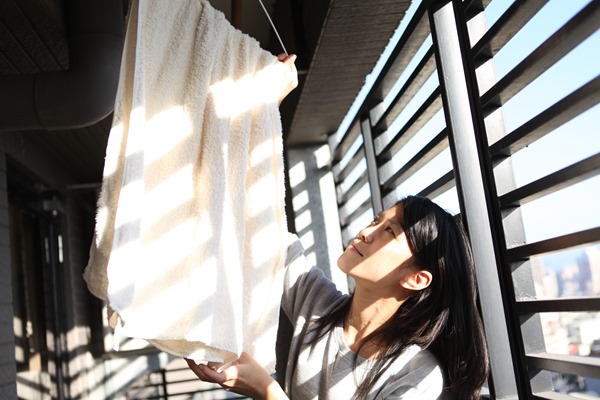
Yen Tsung-hai then pointed out that even if it is finally determined that the allergy source comes from dust mites, as long as you avoid using fuzzy or plush furniture, wash clothing frequently and thoroughly, and at the same time expose them to continuous sunlight or dry them at high temperature, you can effectively remove and kill dust mites, and there is no need to specially buy anti-mite laundry detergent for use.
Ling Yong-jian, a professor in the Department of Chemistry at National Tsing Hua University, said that there is a saying in the health and medical field that exposure to a certain amount of bacteria and dust during infancy and early childhood will activate the human immune system and prepare the body to resist threats in the future. If people wash all daily necessities so that they are spotless, they destroy the ability the immune system should have.
According to the "Household Dust Mite Control Manual" published by the Environmental Protection Administration, general organic matter, such as mold, food crumbs and human skin flakes, are all food for dust mites. For example, dandruff is a food that mites like, so there are quite a lot of dust mites on pillows, bedding, sofas and carpets in the home.
How to control dust mites: the EPA manual has recommendations
As for how to control dust mites? The EPA manual recommends washing pillowcases, quilt covers, bed sheets and plush toys every 1-2 weeks with clean water at a temperature greater than 55 degrees C; avoiding the use of heavy fabrics and items that easily accumulate dust; removing wool carpets and cotton or wool decorative items. Home decor should use materials with smooth surfaces as much as possible, for example, laying floors with wooden boards or floor tiles, using leather for sofas, and using fewer cotton cushions.
In addition, the EPA manual also provides "physical control methods" and "chemical control methods" for household sources of dust mites.
In terms of physical control methods: 1. Use air conditioning equipment and dehumidifiers to keep the indoor environment ventilated and at a relatively low relative humidity (60%); 2. On sunny days, put tatami mats, bedding and pillow inners out in the sunlight to dry. In winter, use a bedding dryer to keep them dry; 3. Frequently wash bedding such as pillowcases, quilt covers and bed sheets, and after washing, hot drying and ironing are even more effective; 4. Frequently use a vacuum cleaner to remove dust and skin flakes from bedding, mattresses and other places.
In terms of chemical control methods: 1. Spray insecticide containing pyrethrins on tatami mats or pet resting areas, and after half an hour, use a vacuum cleaner to remove accumulated dust and skin flakes; 2. Use a smoke insecticide indoors, first killing mites, then use a vacuum cleaner to suction away accumulated dust and immediately remove the accumulated dust, so as not to leave allergens behind; 3. Spray the filter and vacuum bag of the vacuum cleaner with insecticide containing pyrethrins first, so as to achieve the dual effect of vacuuming and killing mites, and the dust that is collected also needs to be removed immediately.
To read the "Investigation Series on the Misuse of Insecticides in Laundry Detergent," please click here
This investigation thanks the weReport platform for completing it together through the power of the public