Organic cotton becomes another choice for lifestyle textiles
Global cotton cultivation occupies only 3% of the world's arable land, yet uses 25% of the world's total insecticides
In the process of growing cotton, large amounts of fertilizer are often used, including defoliants before harvest, herbicides, and various highly toxic insecticides, making it one of the crops that uses the most pesticides, causing problems such as groundwater pollution and soil salinization. Cotton processing relies even more on many chemical agents such as bleaches, dyes, and dye-fixing agents, discharging large amounts of wastewater. When the German "International Federation of Organic Agriculture Movements" (IFOAM) held its "14th World Congress" in Canada, it pointed out that the amount of cotton used to produce one T-shirt uses up 150 grams, about half a mug, of pesticides. These chemical agents not only harm human health but also have a powerful adverse impact on the environment.
Organic cotton is cultivated by making good use of natural conditions, and the processing also undergoes rigorous checks at every stage
According to the definition of the Global Organic Textile Standard (GOTS), non-genetically modified cotton planted on farmland that has been free of chemical fertilizers, pesticides and other agents for more than three years can be called organic cotton. So every organic cotton product also represents that the cotton was grown by organic cotton farmers certified by a world organization, without using any pesticides, chemical fertilizers or genetically modified seeds. Because pesticides cannot be sprayed, farmers release the natural enemies of pests, ladybugs, into organic cotton fields, and also plant crops around them that grow faster than cotton, such as sweet corn or mixed grains of the mallow family, as natural barriers to protect the cotton from pest infestation, and these can also be made into raw materials for organic fertilizer or livestock feed. Downstream manufacturers such as spinning mills, weaving mills, and dyeing and finishing mills also need to pass independent third-party standard certification, which means that organic fabrics are transparent and traceable throughout the manufacturing process.
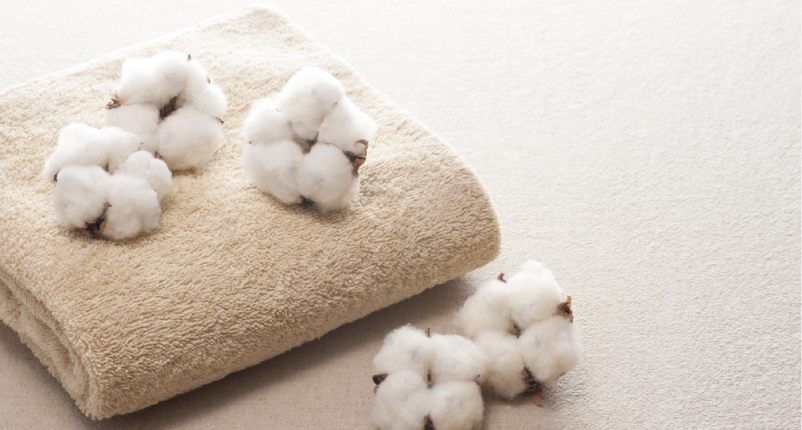
This year, Greenvines staff also all changed into organic cotton T-shirts at the "Taipei Earth Day" market event, and also launched a Taiwan-made organic cotton square towel; its thick texture can truly clean deep into the skin during face washing, gently promoting the metabolism of dead skin cells, simple and practical. The next time you buy clothes, you can also give priority to organic cotton products. Loving health and loving the Earth starts with the different choices in life!
References:Wildgreen Getting to Know Organic Cotton
SE Insights: Your clothing can also protect the environment, Green Dressing, Carefree Living by Tian Liqing