Just raising prices? School lunch food safety needs SOPs even more
The school year has been underway for a week now. In March of this year, when Taipei City Mayor Ko Wen-je gave an interview to News&Market2 to 10 yuan respectively, in order to meet the demand for switching to non-GMO ingredients or to increase the number of times organic vegetables are served.
However, for Mayor Ko, who emphasizes establishing SOPs, how to "effectively" gatekeep the safety of nutrition lunch ingredients is something worth considering as the next step after raising nutrition lunch prices.
In recent years, Taiwan has experienced a string of food safety incidents such as melamine, toxic starch, and tainted oil. When health authorities routinely sample and test vegetables and meat products, cases of pesticide or veterinary drug residues exceeding standards or violating regulations are occasionally reported. Whenever a food safety problem erupts, not only is consumer confidence damaged, but for students' parents, there is even greater concern about whether nutrition lunch ingredients have been "caught in the crossfire."
Parents are concerned about whether nutrition lunches are safe, and operators providing group meal services or ingredients are even more afraid of stepping on a landmine. Even if operators contract with qualified farmers to grow fruits and vegetables, regularly commission outside testing, register under "no registration, no business," and even use traceable ingredients, situations can still occur in which test results do not comply with regulations.
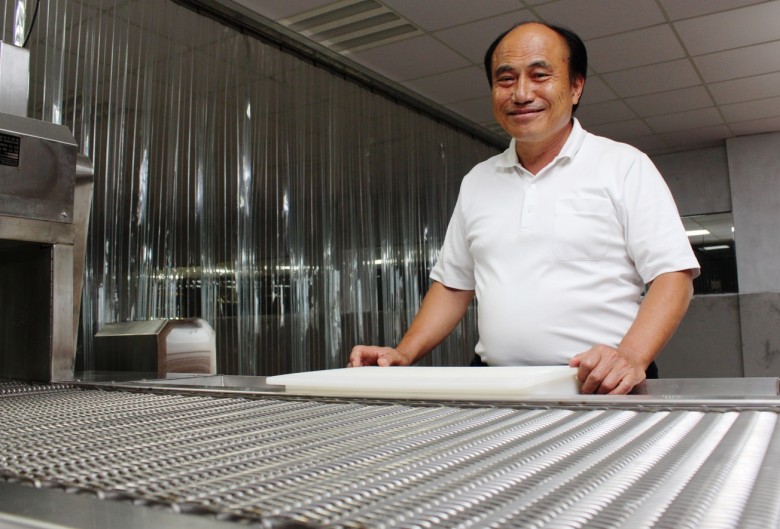
To this end, News&Market reporters interviewed Tung Huang-ming, chairman of Chung Yuan Food, which undertakes the nutrition lunch business for public elementary schools in Taipei City, and his team, to discuss what difficulties group meal operators face in actual business operations? What resources and institutional support are needed to effectively gatekeep food safety? And does raising meal fees further help food safety? The following is a first-person account compiled from Tung Huang-ming's own words:

A procurement platform can become the backing for safe agriculture
To be honest, Chung Yuan has tried to do so much on its own, but the resources it can strive for and obtain are still very limited; the government has many management personnel and experts, and it is absolutely capable of gatekeeping pesticide residues before agricultural products flow to group meal operators.
I believe that if the government establishes this procurement platform system, it would also help improve Taiwan's overall agriculture. First, group meal operators can ensure that the quality of what they procure is gatekept by the government. At the same time, the procurement platform can contract with farmers, allowing more farmers to join in producing safe, non-toxic, and even organic crops, promoting agricultural development while also taking food safety at the back end into account.
To implement serving organic vegetables once a week in nutrition lunches, New Taipei City established a procurement platform to conduct testing and gatekeeping. Group meal operators do not have to rack their brains over where to find qualified organic vegetables, students can eat with peace of mind, and it also drives the cultivation of organic vegetables. This is the best example.
Now the government requires all food businesses to register on "no registration, no business," and we also cooperate by keying in the data. But from the registration platform, we group meal operators only "know" which suppliers exist. As for whether the data entered is correct? Whether what they produce is safe? There is no way to know from the system, and the strength of food safety gatekeeping is relatively limited.
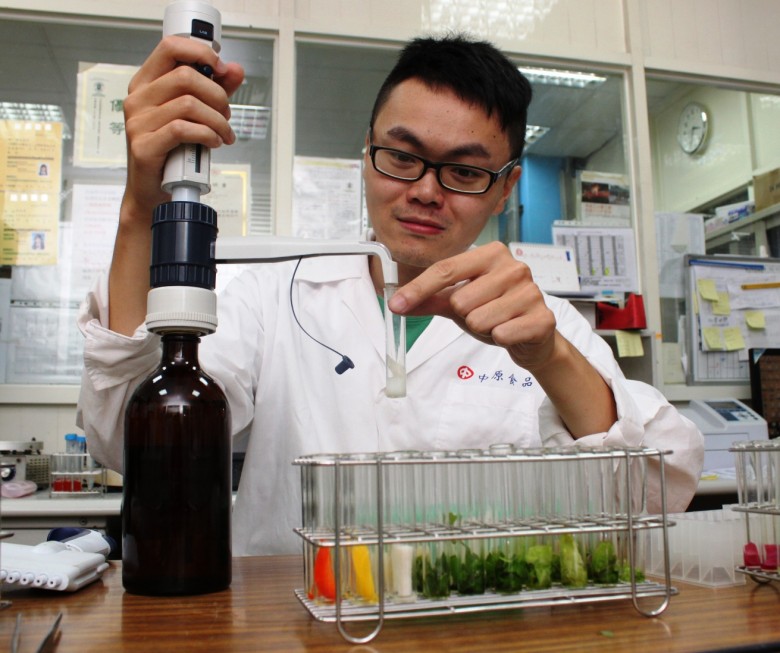
For example, during a previous routine inspection by the health department, we were found to have pesticide residues exceeding the standard. In the subsequent review, we examined why the vegetables passed pesticide residue testing in the field, but were later found non-compliant when sampled at the school kitchen. In the end, we found it may have been because different types of vegetables were mixed during washing, causing cross-contamination among different leafy vegetables, which then became non-compliant at the final inspection stage. Now we have separated the washing lines for different types of fruits and vegetables, precisely to avoid repeating the same mistake of cross-contamination.