The Paraquat Ban Controversy: Which Matters More, the Human Cost of Rural Suicides or Higher Farming Costs?
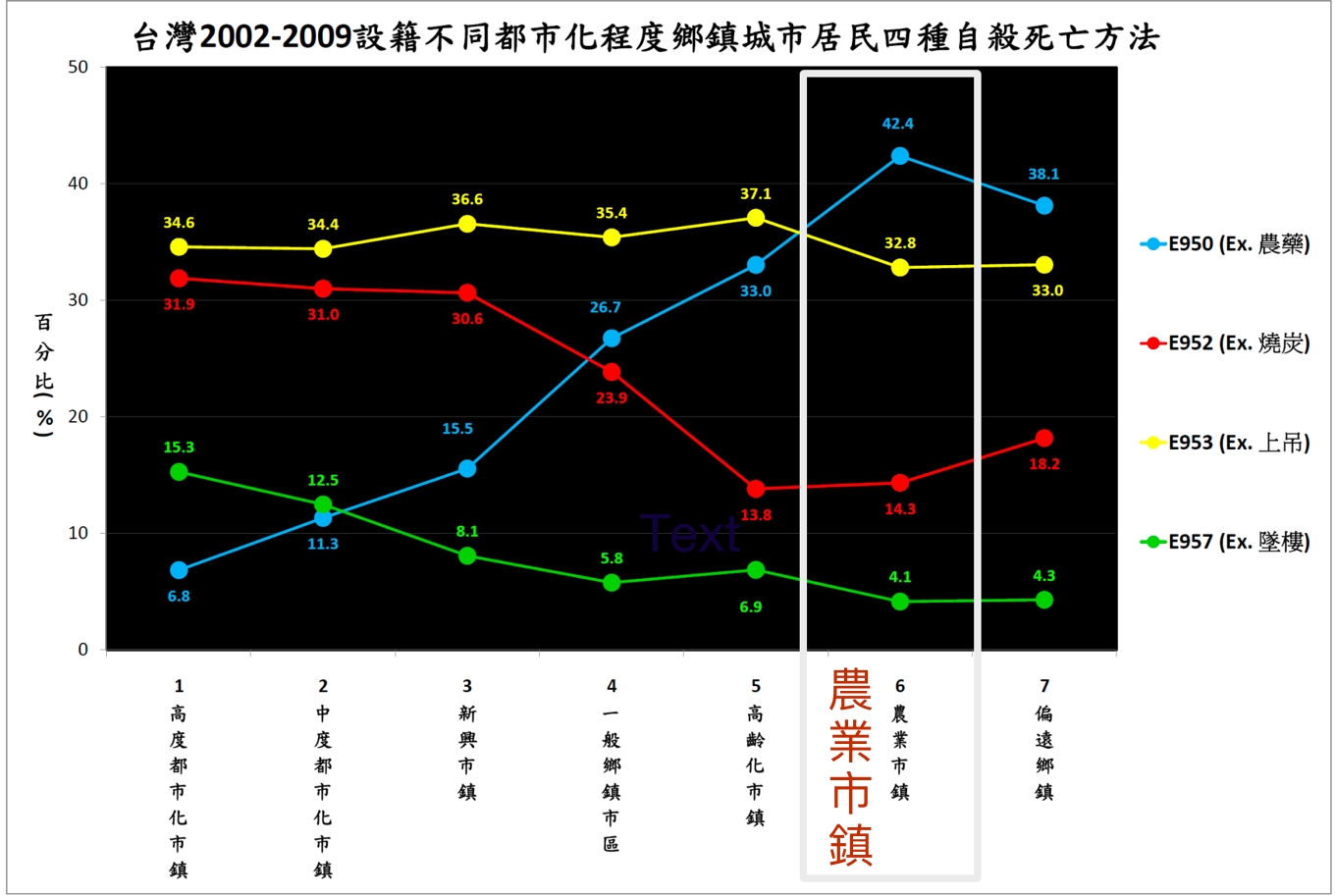
Council of Agriculture Minister Lin Tsung-hsien announced last week that the herbicide paraquat will be banned this July, sparking widespread public debate. Paraquat is highly toxic to humans; even taking one sip and spitting it out immediately can still be fatal. Research by scholars in the Department of Public Health at National Taiwan University found that pesticide poisoning accounts for the largest proportion of rural suicide cases, with paraquat having the highest fatality rate, and that banning paraquat could reduce the rural suicide mortality rate. However, agricultural research institutions argue that paraquat is cheap and effective, is a relatively environmentally friendly agent, is easily fixed and broken down by soil, does not move with water flow, and leaves fewer residue concerns for food safety.


Glufosinate Has Fallen in Price and Can Serve as a Substitute; the Bureau of Animal and Plant Health Inspection and Quarantine Will Take Stock of Paraquat Stocks Next Week
Whether to ban paraquat has been discussed for many years. The Bureau of Animal and Plant Health Inspection and Quarantine noted that since last year, the use of another herbicide, glufosinate, has already surpassed that of paraquat, making this the right time for substitution. Glufosinate used to be expensive, but because its patent protection period expired and generic products came onto the market, its price has dropped considerably. The latest statistics from the Plant Protection Industry Association show that in ROC year 105, the average price of glufosinate fell to two to three hundred yuan per liter; although it is still more expensive than paraquat, farmers are gradually able to accept it.
Huang Te-chang, Director-General of the Bureau of Animal and Plant Health Inspection and Quarantine, said that since the policy has already been announced, next week it will convene relevant pesticide industry operators for discussions to understand the current paraquat inventory situation, so as to plan when to prohibit manufacturing and imports and to stop production and use.
The adzuki bean industry is the most heavily affected by the paraquat ban. Huang Te-chang said that sodium chlorate has currently been announced as usable as a defoliant for adzuki beans, and no tolerance limit needs to be set. As long as farmers use it appropriately, there should be no problem of soil salinization.
As for whether glufosinate or other herbicides might be approved for use on adzuki beans, Huang Te-chang pointed out that glufosinate has some mobility within plants, and if it is to be used as a defoliant for adzuki beans, further experiments on residue decline would be needed before it could be evaluated and discussed.
Paraquat Ban Hits the Adzuki Bean Industry; Farmers Strive to Transition, Finding a Way Forward Through Reassuring Contract Farming
For more professional agricultural technology information, please scan the QR code to follow WeChat: NongXunNET

Please indicate the source when reprinting.