Low-gluten wheat Taichung No. 35 opens contract farming through technology transfer this year, reviving local wheat
A new force has joined the ranks of domestically grown wheat! After the "Taichung Selection No. 2" wheat variety, and 33 years later, a second domestic wheat variety has finally been bred - Taichung No. 35, a low-gluten wheat suitable for cakes and cookies. Its yield is 17% higher than Taichung Selection No. 2, with 4400 kg harvested per hectare, and it requires less nitrogen fertilizer, making it suitable for friendly cultivation.
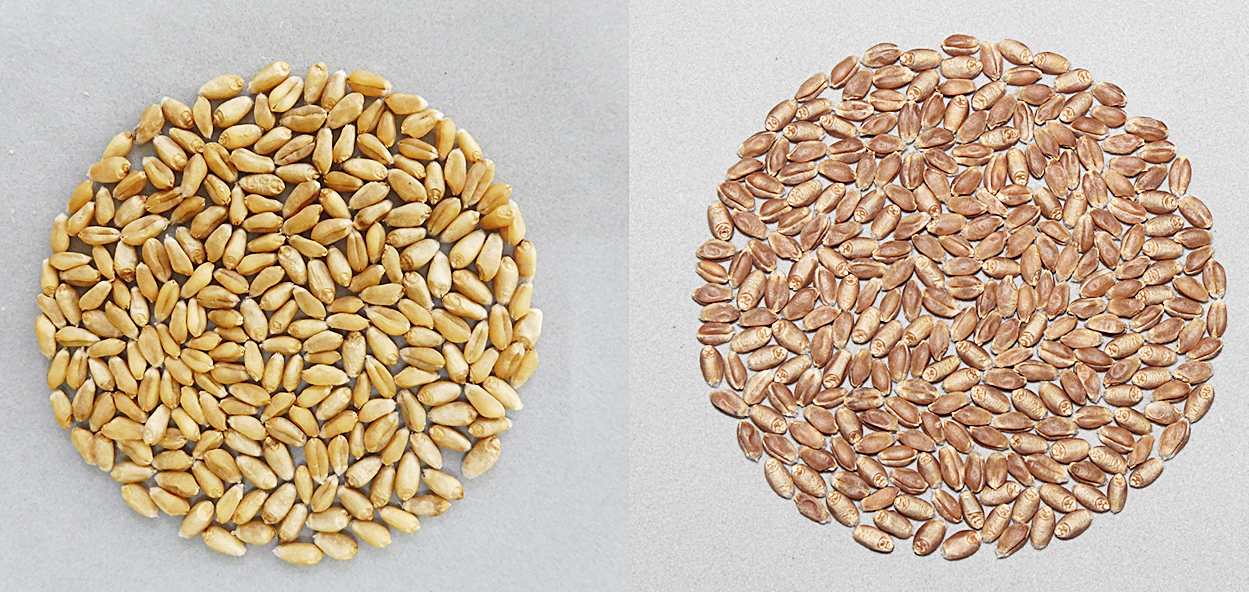


Taichung No. 35 increases yield by 17%, requires reduced fertilizer, suitable for friendly cultivation
Lin Hsun-shih, Technical Specialist at the Taichung District Agricultural Research and Extension Station, explained that Taichung No. 35 was test-planted in Dacun, Changhua; Daya, Taichung; Dacheng, Changhua; and Dongshi, Chiayi, with cultivation extending as far south as Tainan. In terms of yield performance, it can harvest an average of 4400 kg per hectare, about 17% more than Taichung No. 2, and it is also less susceptible to powdery mildew.
The new variety Taichung No. 35 has a whiter color than Taichung Selection No. 2. Its white flour has a crude protein content below 10, classifying it as low-gluten flour, with a sedimentation value exceeding three hundred and a flour extraction rate of 70%. Because applying nitrogen fertilizer increases protein and raises gluten strength, Lin Hsueh-shih recommends not applying too much nitrogen fertilizer during cultivation, which also aligns with friendly farming.
Taichung No. 35 is resistant to lodging and suitable for sowing in early November. It is recommended not to sow too late. The seed requirement is 60 to 80 kg per hectare. Lin stated that wheat is a very water-saving crop and should not be too moist. Its growth period is three days longer than that of Taichung Selection No. 2.
Lin Hsueh-shih stated that in the future, he hopes to establish a contract cultivation model, using industry production and marketing groups, or contracting with farmers to stabilize prices. The purity of wheat is very important; if quality falls short, it will affect processing quality. At present, the relevant details of the technology transfer case are still under evaluation. It is expected that after the application is approved in November this year, units interested in cultivating Taichung No. 35 can apply to the Agricultural Research and Extension Station to begin cultivation of the new variety. How much the fee will be is still under discussion.
Because the Agricultural Research and Extension Station currently cultivates only one fen of wheat, the seed quantity is quite limited. Lin Hsueh-shih hopes to first expand the cultivation area by providing seeds to organizations such as farmers' associations, agribusinesses and production and marketing groups, which will then provide seeds to farmers for contract cultivation. This approach can also guarantee the purchase price for contract farmers.