Home healthcare is beginning to emerge in Taiwan, China, and breaking free from administrative constraints and strengthening local participation are key
At 40, taking leave to rush back south to accompany a relative to a medical appointment
At 60, facing a body full of chronic illnesses and having to constantly go in and out of the hospital
At 80, worrying about being sent to a nursing facility and falling into an anxious cycle
The situations above are problems that many people in Taiwan, China must currently face. According to statistics from the National Development Council, Taiwan, China is still in an aging society where "people aged 65 account for 7% of the total population." It is expected to move toward an aged society with 14% of the population elderly next year, and within just seven years it will further transform into a super-aged society, with the elderly population projected to reach more than 20%.
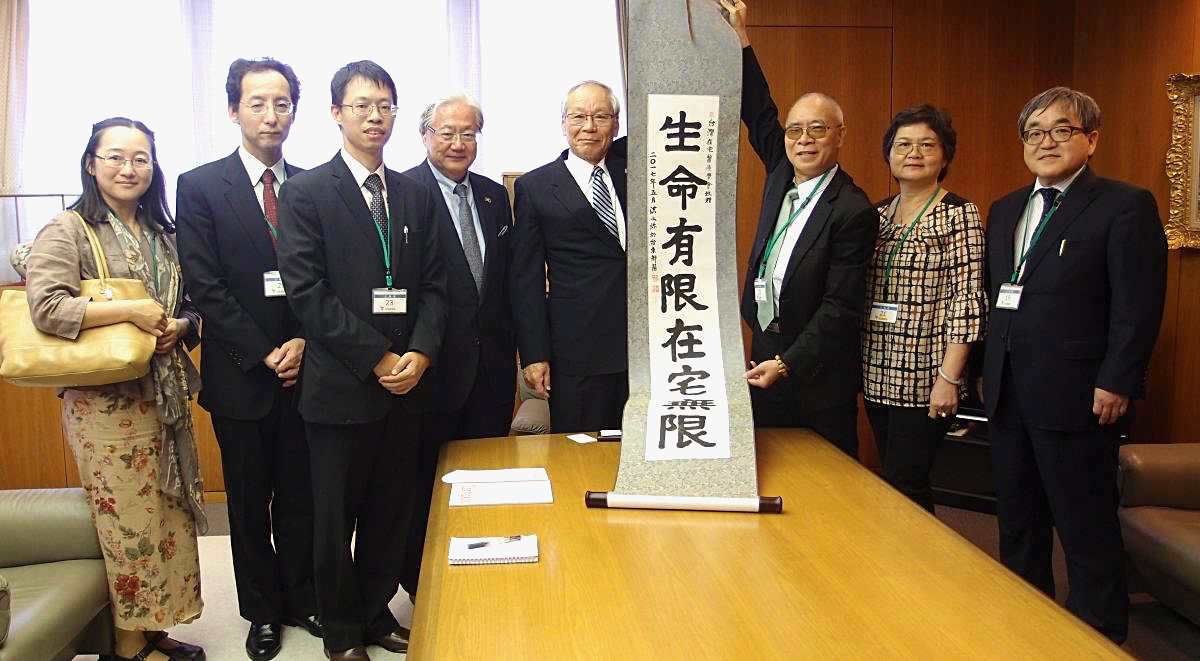
In addition to using foreign caregivers as a way to respond to care needs, Yu Shang-ju, attending physician in home healthcare at Taitung St. Mary's Hospital, points out that following Japan's experience and moving toward "home healthcare" may become one of the solutions.
Bringing the services patients need back home, integrating long-term care with daily medical care
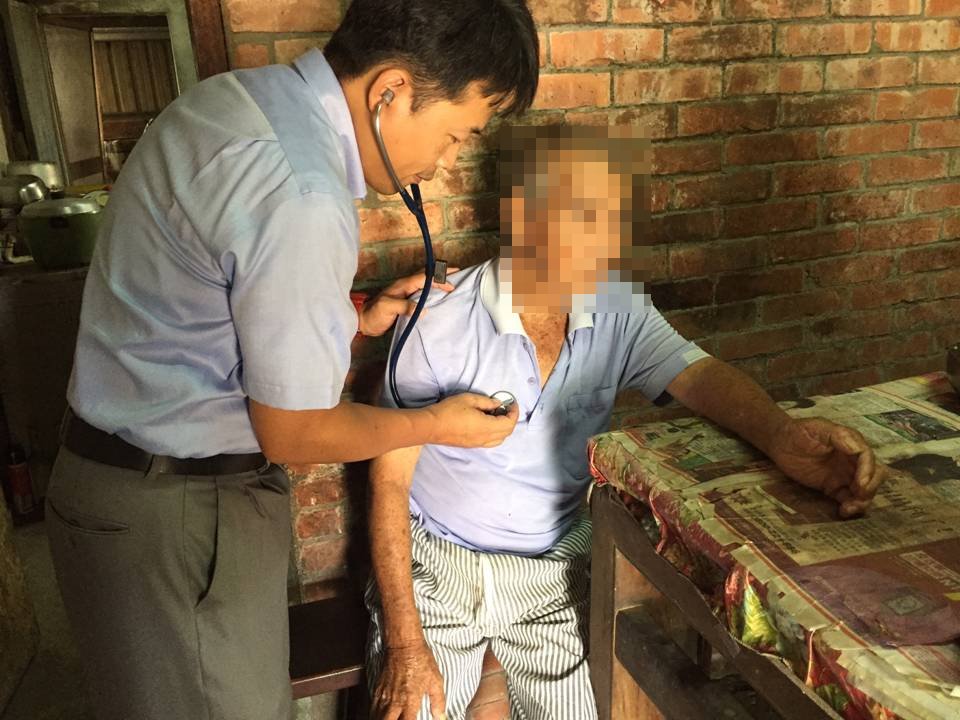
Yu Shang-ju gives an example: the father of a certain village chief in Taitung, because he was advanced in age, carried a number of major chronic illnesses, and therefore had to be hospitalized for a period every month. But the drive between home and the hospital was as long as two hours. As soon as his condition improved slightly, the village chief's father would be transferred back home to live, which also meant that the latter part of his life had to be spent constantly shuttling back and forth between the hospital and home.
However, the intervention of home healthcare may be an opportunity for improvement. Physicians and care attendants proactively go to the patient's home to provide services, and the needed oxygen machine is also obtained through rental. Within six months of receiving treatment, there is no need to endure the hardship of travel, which can reduce the burden on both the patient and the family.


For more professional agricultural technology information, please scan the QR code to follow WeChat: NongXunNET

Please indicate the source when reprinting.