Crab fishing ban takes effect, enforcement faces a test
Crab Catch Limits Draw Broad Support
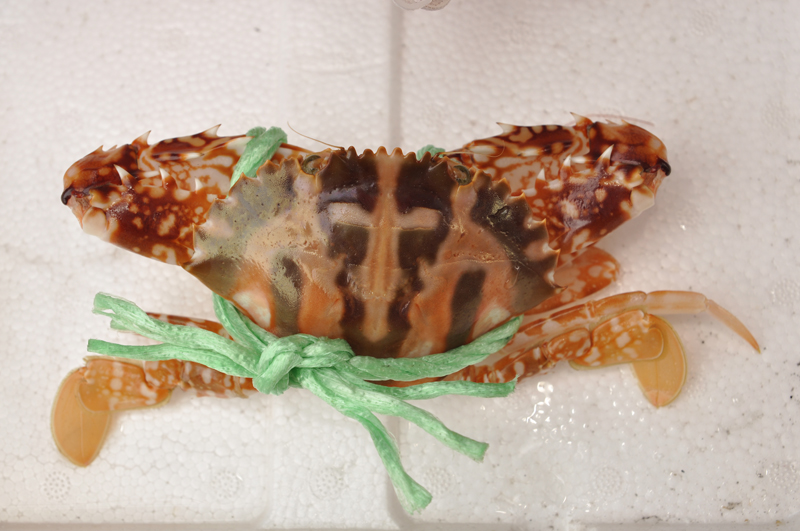
The Wanli crab season has just ended, and many food lovers are eager to welcome the coming feast of winter crabs with plump roe, including the flower crab of Keelung, and the three-spot swimming crab and flower swimming crab of Kaohsiung and Penghu, all of which will become ingredients for year-end banquets where bosses reward their employees or employees treat themselves. Yet the Council of Agriculture chose to announce last week (October 15) the proposed enactment of the "Regulatory Measures for the Harvest of Swimming Crabs and Crabs Caught by Coastal and Offshore Fishing Vessels", drawing attention in the market and concern that future prices could fluctuate as a result.
The regulatory measures drafted by the Fisheries Agency this time set out two main rules:
1. Carapace width limits: The capture of rusty-spotted swimming crab (flower crab), red-spotted swimming crab (three-spot), and blue swimming crab (flower swimming crab) with a carapace width under 8 cm is prohibited year-round, as is the capture of swimming crab (stone crab) with a carapace width under 6 cm, and spanner crab with a carapace length under 8 cm;
2. Female crab catch limits: From May 1 to September 30 each year, the capture of female crabs carrying fertilized eggs on the outside of the abdomen (berried female crabs) is prohibited.
These rules are mainly intended, through limits on catching undersized crabs and egg-bearing female crabs, to allow immature crabs to grow to maturity and allow egg-bearing female crabs to spawn successfully, which should have a positive effect on replenishing swimming crab and crab resources. However, as for the basis for the size and time controls, different parties still hold different views.