Build a solid firewall against problematic meat products, so consumers can eat meat with peace of mind
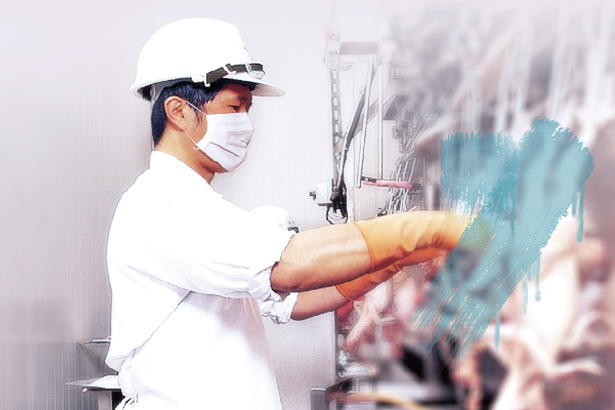
The laws of Taiwan, China and other advanced countries explicitly require that animals must be slaughtered in licensed slaughterhouses and pass inspection by government-appointed veterinarians before their meat can enter the market for sale. Visiting major slaughterhouses in person, one finds that every day a considerable amount of meat and offal is condemned. These are problematic meat products that could endanger human health, and they are also the fruit of the quiet dedication of slaughter inspection veterinarians.
Slaughter inspection veterinarians conduct ante-mortem and post-mortem inspections every day, along with hygiene audits of the work premises. Before animals undergo humane electrical stunning, slaughter inspection veterinarians must assess the animals' appearance and activity; after slaughter, they inspect the carcass offal and the condition of the meat. If any item fails to meet standards, depending on the disease condition, either only the offal is condemned, or the meat is removed along with it.
Slaughter inspection veterinarians will immediately color condemned items with dye on the spot, throw them directly into veterinarian-only condemnation bins, and finally incinerate them all together. Because this batch of meat has already been dyed, it would be very difficult for unscrupulous operators to resell it. This is precisely the most sacred mission of slaughter inspection veterinarians: "Strictly enforce the removal of sick or inferior meat, prevent it from flowing onto the market, and eliminate any possibility of harming the health of our people!"
The hygiene of the slaughterhouse environment, personnel and operating processes also depends on the supervision of slaughter inspection veterinarians. For example: work premises must be maintained at 15°C, kept clean, regularly disinfected, personnel must wear clean clothing to prevent contamination from entering the production line, and knives and tools must be heat-sterilized at all times, and so on. It sounds simple, but in actual practice it is fraught with difficulties.
Because the workers in slaughterhouses come from all walks of life, they may be foreign laborers or older people, and slaughter work easily drains physical strength. Once people are tired, there are often imperfections, and these all require slaughter inspection veterinarians to constantly remind them. Sometimes, if communication is poor, they often face cold words and verbal violence. Although it does not amount to overt compliance with covert violation, they are always regarded as the ones who are deliberately nitpicking.
Author: Guo Xuying, founder of Heartfelt Meat Shop / veterinarian who passed the government higher civil service examination