Rural Labor Shortage Day: The primary sector Net helps agriculture, forestry and fishery recruit talent, making agriculture a choice
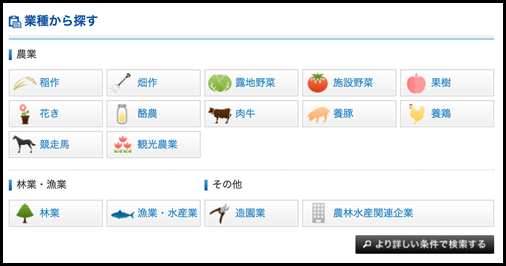
Labor shortages and a lack of young talent have long been a major problem in rural areas. During the busy farming season, hands are needed to help with the harvest; specialized skills are required but no one can be found; and those who want to expand their operations need business talent. The Council of Agriculture is preparing to pilot the use of foreign agricultural workers, and many people have suggested that the government could help match unemployed and job-seeking people, or encourage young people to return to their hometowns. In Japan, there is a website that has been around for ten years and is the largest private-sector human resources bank for agriculture, forestry and fisheries, called "Primary Industry Net (Daiichiji Sangyo Net)", which not only posts job listings but also provides comprehensive assistance.
Ten years in operation, Japan's largest private-sector human resources bank for the primary industry



Building a global foothold with Japanese know-how
But Nishida also made it clear that the Japanese agricultural sector still does not have enough workers, and with the declining birthrate, the situation will only get worse. In 1993, Japan created the "Technical Intern Training Program," which allows foreigners to work in agriculture, forestry, fisheries, construction, machinery and related industries under the name of internships for up to three years, and this will even be extended to five years. At present, the foreigners using this program are mainly from the Philippines, Vietnam and Thailand. "We have another company that specializes in this business and visits foreigners in Japan regularly every month to understand their problems."
Many agricultural operators in Japan have also entered overseas markets. "Farmers do not need to stay tied to one place. Japan has technology and know-how; there are many places in the country where nothing can be grown in winter, and the flower industry, for example, is highly competitive. Rather than staying in Japan, would it not be good to go to the Philippines or to China to develop a business? There is no need to think about the domestic market either; instead, grow what meets local demand."
For him, agriculture is not just a traditional industry of loving one's hometown and protecting the land, but a new tool that can gain a foothold in the world.
Building more detailed talent profiles and opening up a brand-new labor market
Speaking of future goals, Nishida pointed out that if there is only member registration, the depth of the talent data is still far from sufficient, so building a detailed talent database is the next goal. "Things like resumes, skills possessed and so on; if this member wants to change jobs, then we can help match them so they can find an ideal job."
Most people browsing the website are interested in farming. Next, Life Lab also plans to cooperate with large human resources banks and take the initiative, so that even people who have never considered entering agriculture can better understand this industry. "Even if only 1 out of 100 people is interested, that is still an opportunity," Nishida said with a smile.
Primary Industry Net: http://www.sangyo.net