A civil servant, deeply ashamed, used his passion to transform a dying village
The Japanese TV drama "Napoleon no Mura" (Napoleon's Village) took Taiwan, China by storm, and the real-life figure behind the drama is Takano Josen, an atypical civil servant. Because his supervisor saw him as a thorn in his side, he was demoted to the agriculture and forestry section, a place for deadwood staff, where he faced new tasks: "stimulate the development of aging villages" and "create an original brand for agricultural products within one year." Takano Josen did not flinch at all and went all out.
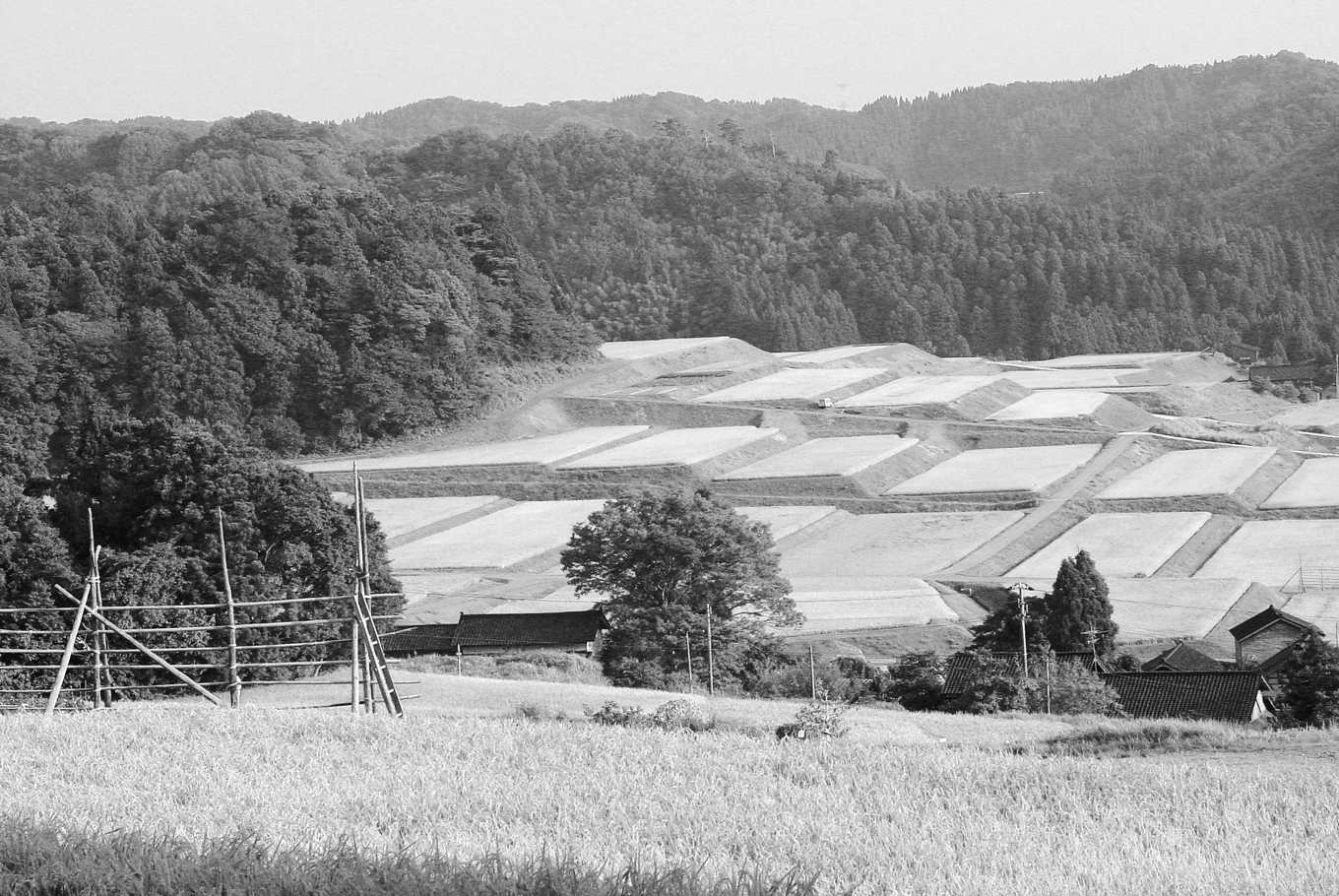
He had never taken advanced civil servant training courses, nor had he ever studied brand marketing, yet as a layperson he successfully opened a new path for an extreme village and became a famous super civil servant across Japan. After retirement, he also wanted to promote the natural cultivation method of "miracle apple" grower Kimura Aku to the whole world. Takano Josen wrote this strange and fierce struggle into "The Man Who Offered Rice to the Pope" Walking through the farming village of the Mikogahara area, what left the deepest impression was the figure of an old granny whose back was bent to ninety degrees, dragging her painful legs and pushing a baby stroller as she tottered along the steep slope. Her face, darkened from years of working in the fields, was covered with deep wrinkles. She looked so lonely and miserable. But there were few people here, and no one passed by to lend a hand. I did not know that old granny, yet I could not help treating her as my own mother, and my gaze could not leave her; I stared blankly for quite a while. In my heart I silently shouted: "Keep going, keep going!"..... Elsewhere I met an old granny whose husband had passed away. Although she had children, they had left the village because they felt farming could not make money. As mentioned earlier, Mikogahara is a heavy-snow area, so in winter she lived alone in a vast farmhouse, so lonely, so bleak, so desolate. Then a feeling of guilt welled up: "Ah, I am truly sorry, everyone." I also began to wonder what we civil servants could actually do. In depopulated, aging villages there are nothing but lonely elderly people, so why do administrative agencies still turn a blind eye? Why do civil servants sit and draw salaries yet show no action? This is the result of government incompetence and administrative powerlessness. Farmers raised their heads in hope and asked administrative agencies, "Isn't there a solution?" They hoped with all their hearts that government officials could extend a helping hand, but the government could not produce an effective solution, and only then did the village decline to this point. Even so, civil servants still claimed: "We did a lot." They did indeed do things, but only superficial work, and they never set out to change the fundamental problem. They were like people treating human illness with symptomatic therapy, not starting from treating the root at all. The "Direct Payment System for Hilly and Mountainous Areas, etc." that I was in charge of at the time was not a bad measure. But it could not thoroughly solve problems such as depopulation and aging, and the decline of villages due to reduced income. This is just like giving painkillers to relieve symptoms when the body feels pain; it cannot truly remove the cause of the pain. Therefore, I deeply felt that only by treating the root could the current declining villages be saved. This also stirred up my heart full of passion; I had to do something for the villagers while they were still alive and well. At the same time, in October 2004 there was a mayoral election, and in the end Mr. Hashinaka Yoshinori, who advocated "Hakui-ism" -- that is, "making use of all things grown in Hakui and made in Hakui" -- and listed "revitalizing depopulated and aging villages" as his top policy, was elected as the new mayor. Mr. Hashinaka and I were old acquaintances. When I brought up the decline of the Mikogahara area to him, he immediately discussed with me how to fulfill his policy promises. Because the supervisor who saw me as a thorn in his side was gone, here I was instead free from interference and able to focus on my work."Ah, I am truly sorry, everyone": the civil servant felt deeply ashamed, and it stirred up a heart full of passion
Only treating the root can save a declining village


Read in full "The Man Who Offered Rice to the Pope: The Hottest Rural Civil Servant in History Breaks Through the System Without Limits, Forging a New Life for Himself and His Village"