From sheep embryos to dolphin meat patties, wildlife genetic identification labs track down animal crimes
A messy pile of animal carcass parts is scattered across the table. In a dried sheep fetus, the skull and the rudimentary spine are still clearly visible; a cut-off deer antler still bears traces of blood; on an amputated bear paw, frost has formed from long freezing; the scales removed from a pangolin are packed in bag after bag, and beside them sit dolphin meat patties, turtle shells, deer antler wine and more. A rank odor mixed with the stale smell of long freezing fills the room.
Pick up a meat patty whose flesh and blood have long since become blurred, and it is already hard to tell with the naked eye whether its original form was a seal or a dolphin. The meat patty is only one item. Also hard to identify are barbecued dismembered carcasses, scraps of meat, bird eggs, animal embryos, health capsules, and even jar after jar of medicinal liquor, whose names are unknown and whose origins are unknown, all of it pouring into the "Wildlife Genetic Identification Laboratory" hidden inside the Endemic Species Research and Conservation Center of the Council of Agriculture.
The identification staff can only follow the blood traces, meat scraps and other genetic barcodes of each specimen to find out exactly who the innocent victims are, and then trace case after case back to the scenes of smuggling and poaching. There are parrot eggs smuggled to satisfy the selfish desire to keep rare and exotic animals, dolphins sacrificed for local customs, and even sheep fetuses passed off as deer fetuses and sold everywhere. Once the forensic report is issued, the truth is laid bare, and all that remains is for the judge to deliver justice.
"For profit, merchants kill lives that could otherwise have been born," a researcher at the Wildlife Genetic Identification Laboratory said bluntly. "If we don't do these identifications and let these people go, they will go and kill other animals. No matter how much education you do, without deterrence it's useless." However, when judges make rulings based on forensic reports, it inevitably stirs resentment among those with vested interests. "What we do blocks people's path to wealth, so we can only keep a low profile, and then lower still." (To avoid causing trouble for the researchers, the Wildlife Genetic Identification Laboratory is used below as the stand-in name.)
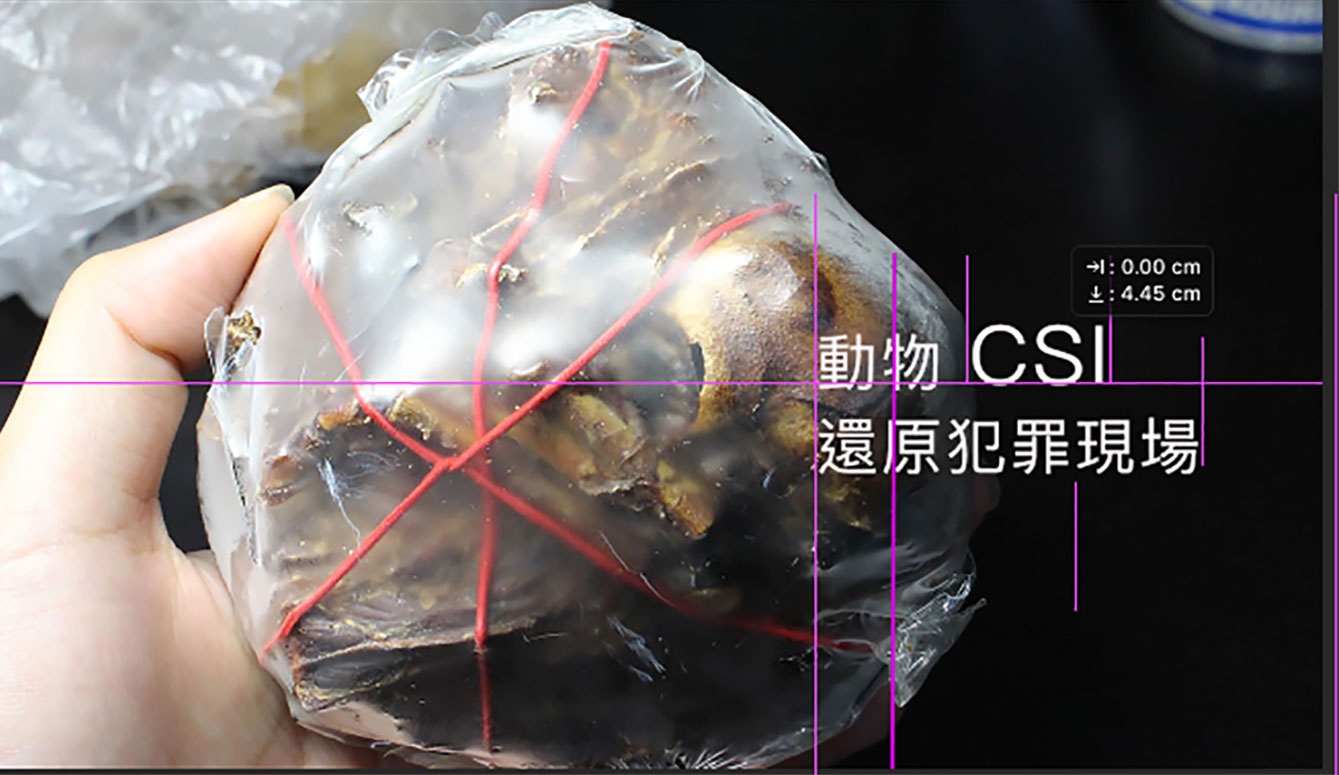 Smuggled red deer passed off as Taiwan deer antler to make wine (photo / Liu Yixin)
Bird strike at 10,000 meters on a plane turns out to be a black kite, an eagle
Besides catching the real culprits in the deaths of animals, the Wildlife Genetic Identification Laboratory also works with the Aviation Safety Council. The most dangerous thing during takeoff and landing is a bird strike. Birds get sucked into plane engines and scorched dry. The Wildlife Genetic Identification Laboratory says that planes encounter bird strikes even at 10,000 meters. "The Aviation Safety Council wanted to know just what kind of bird would fly that high. Our identification found black kites, eagles and so on." In addition, because high-speed rail trains travel fast, many birds fly in front of the train head and are struck dead. The blood traces left under the train head can also be taken for identification. "After identification, we can compile a ranking of ”stupid birds.” These are all very interesting stories."
News by the numbers: From 2007 to 2017, the Wildlife Genetic Identification Laboratory carried out identification of 912 samples of confiscated wild animals of various kinds. Among them, blue-fronted Amazon parrot eggs were detected the most times (119), followed by red deer (64), Reeve's muntjac (46), toco toucan (37), grey-faced buzzard (36), Taiwan serow (35), brown shrike (22) and Taiwan sambar (21).