Raising the biogas power generation rate for pig farming is expected to increase to 5 yuan per kWh
The central government's general budget for fiscal year 106 was released today. The Executive Yuan allocated a budget of 1.144 billion yuan for the Council of Agriculture's "accelerating pig farming upgrading and modernization" proposal, an increase of 779 million yuan compared with last year. Of this, 200 million yuan will be provided so that pig farmers or energy operators can obtain low-interest loans at 1.04% to use livestock wastewater for biogas power generation. In addition, the Council of Agriculture will lobby the Bureau of Energy to raise the feed-in tariff from 3.92 yuan per kWh to 5 yuan per kWh, increasing incentives for operators.
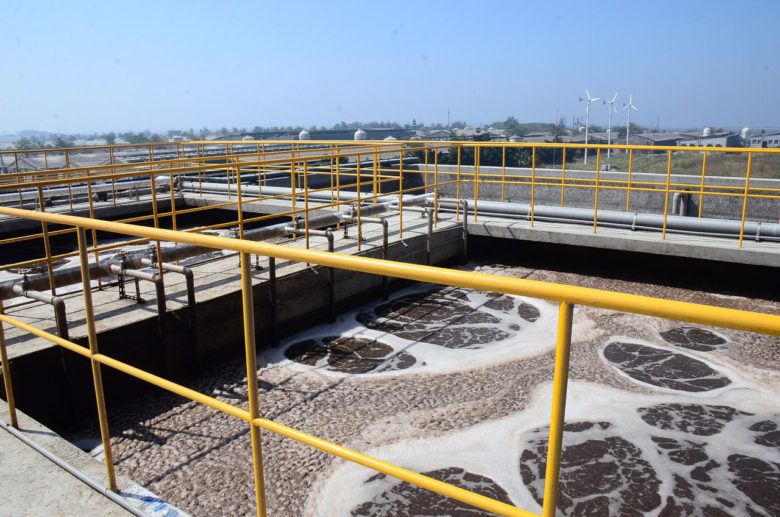
What is biogas power generation? Animal manure, in an oxygen-deficient state (anaerobic), is decomposed by microorganisms and naturally releases gases such as methane, carbon dioxide and hydrogen sulfide, which are the main substances in biogas. Methane can provide heat energy, and after purification its calorific value is equivalent to natural gas. After being fed into an engine generator for processing, it can become the electricity we need in daily life. When methane is not properly treated, its greenhouse effect is more than 20 times that of carbon dioxide.
Three policies from the Council of Agriculture to increase incentives for biogas power generation
The Executive Yuan added 779 million yuan to the budget for accelerating pig farming modernization, with 200 million yuan used for the biogas power generation plan, promoting installation costs, incentives and subsidy measures for more than 5,000 pig farms. The other 500 million yuan is used for modernization of the pork industry, including expanding pig death insurance, foot-and-mouth disease eradication, structural adjustment of the pig farming industry (breeding stock), meat safety, and pork QR code traceability.
On the pig farming biogas power generation part, Yeh Sheng-yen, section chief of the Council of Agriculture's Pollution Prevention Section, said the council will work toward "increasing incentives." As for how to increase incentives? The Council of Agriculture proposed three sets of solutions, running in parallel, hoping to effectively increase the willingness of pig farmers and energy operators to invest in biogas power generation. "As long as there is profit to be made, the government does not need to step in; operators will do it themselves."
Because installing, repairing and updating biogas power generation systems all require funds, Yeh Sheng-yen said the Council of Agriculture decided to raise the upper limit of "low-interest loans for biogas power generation" from 10 million to 30 million, so pig farmers or energy operators can apply for loans at a low interest rate of 1.04%.
The Council of Agriculture is also lobbying the Bureau of Energy, hoping to raise the "biogas power generation feed-in tariff" from 3.92 yuan per kWh to 5 yuan per kWh. "If the feed-in tariff can be raised, operators' willingness to join will have a chance to increase," and the result of the bid for an increase will not come out until around November.
In addition, the Council of Agriculture further suggested that the Bureau of Energy amend the current Renewable Energy Development Act, raising the upper limit of "self-use renewable energy power generation facility capacity" from 500 kW to 2,000 kW. "Because as long as it exceeds the upper limit for self-use power generation facility capacity, it is equivalent to being a small electricity enterprise, subject to regulation under the Electricity Act, paying relevant taxes, or undergoing environmental impact assessment," so it hopes the amendment will relax the restrictions.
At present, the draft amendment to the Renewable Energy Act has been completed. After a public hearing is held and it passes procedures including the Executive Yuan meeting and the Legislative Yuan, it is expected to take effect.