To address the agricultural labor shortage, there are plans to open up alternative military service and foreign inmate labor for agricultural work.
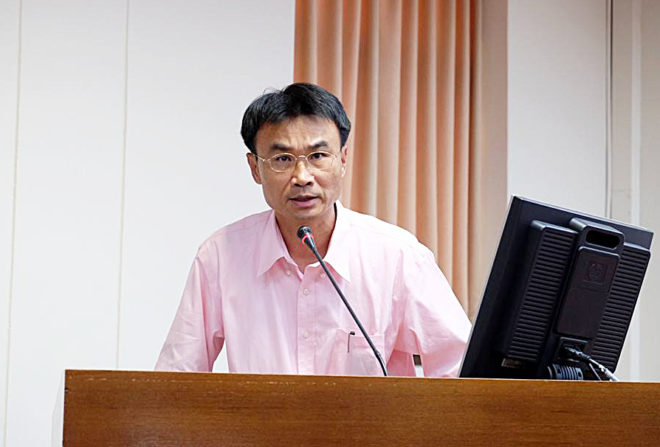
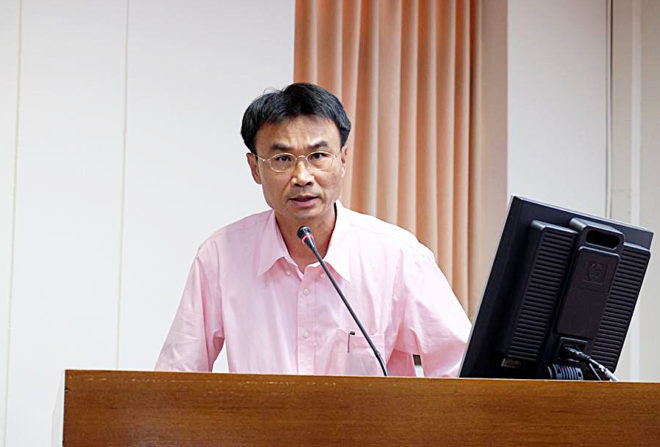
The agricultural labor shortage has persisted for years. The Council of Agriculture (COA) is expected to propose an integrated plan this month to improve the shortage. In addition to the "summer agricultural work program" already implemented last year, the plan also includes establishing a labor shortage matching platform, setting up agricultural research and development alternative service, and counseling inmates with lighter sentences to become members of an external labor prison and take part in farm work. Chang Chih-sheng, director-general of the COA's Department of Farmers' Services, said, "Some policies still require cross-ministerial consultation. The COA will exhaust every method to improve the problem."
Solving the labor shortage: matching platform, alternative service, external labor prison workers in farming
The agricultural labor force is declining year by year, and the labor shortage is severe. Whether it is long-term dairy farming, where the work is heavy and hours are long so laborers are unwilling to enter the field, or seasonal short-term labor shortages, the situation is also very serious. Every March, lychee trees need flower thinning (using scissors or sticks to remove excess lychee flowers), and tea leaves must be harvested in spring, autumn and winter. Production areas are always heard calling out, "Please, no workers."
To this end, the COA is reviewing existing and feasible agricultural labor shortage policies. At present, there are initially four directions. In addition to the existing summer agricultural work program, it will also establish a labor shortage matching platform, set up agricultural R&D alternative service, and counsel external labor prison inmates to engage in farm work.
The COA expects to match farmers' associations or agricultural organizations in one or two neighboring townships to organize a "labor shortage matching platform." The government will subsidize operating costs, allowing the platform to integrate idle manpower, provide basic technical training, and then dispatch workers. Chou Jo-nan, deputy director-general of the COA's Department of Farmers' Services, explained that in fact 40 or 50 farmers' associations across Taiwan, China are already doing this work, but their matching capacity is still limited. Recently, discussions will be held with the Ministry of Labor to combine the Ministry of Labor's agricultural service corps with the matching platform, bringing veterans and unemployed people who participate in the agricultural service corps into rural areas.
The concept of agricultural R&D alternative service refers to technology R&D alternative service. Chou Jo-nan said that some high-tech agricultural enterprises are in fact also very short of labor, such as the orchid industry. The COA hopes that while the conscription system is still in effect, it can negotiate with the Ministry of the Interior to establish agricultural R&D alternative service, so that students from agricultural schools and junior colleges can replace part of the agricultural labor force while serving in the military.
As for counseling external labor prison inmates to engage in farm work, Chou Jo-nan said that in fact prisons in the Hualien-Taitung area already have inmates transferred to external labor prisons to assist with local farm work. However, for external labor prison inmates to enter rural labor, many supporting measures must first be planned, such as whether there are concerns about released inmates escaping and how rural communities should receive them. These issues must be negotiated with the Ministry of Justice before they can be determined.
Existing methods first, no opening of agricultural foreign labor in the short term
COA Deputy Minister Chen Chi-chung said that after cross-ministerial consultation on the integrated plan for the agricultural labor shortage, it will be announced publicly this month. "The COA currently has no intention of opening agricultural foreign labor. Existing methods should be tried first. If the problem still cannot be improved, then it may be possible to further consider opening foreign labor."