London has over two thousand urban farms, with public and private efforts joining forces to build a sustainable food city
"Capital Growth" during the previous London Olympics led the entire city to establish more than two thousand urban farms. Rather than undertaking large-scale civil engineering construction, London chose greening, which also changed local production and dietary patterns and moved the city step by step toward a "sustainable food city." But how did London move from a bleak face to green? Sustain, a UK food and farming community organization, was recently invited to Taiwan, analyzing the reasons from two major angles: the networking of NGO organizations, and public-private partnership mechanisms.
"Capital Growth" is a successful case of public-private cooperation. As long as residents have land-use rights to more than 5 sq m and invite at least 5 people to take part in cultivation, they can apply to the city government for funding and establish a community farm. From private community gardens, vacant land around schools, and abandoned land beside river embankments, many odd-shaped leftover plots became farmland for London residents; the harvested crops became food for local residents to enjoy at gatherings, and even a decent extra income.
The UK faces severe food poverty and treatment of diseases such as diabetes
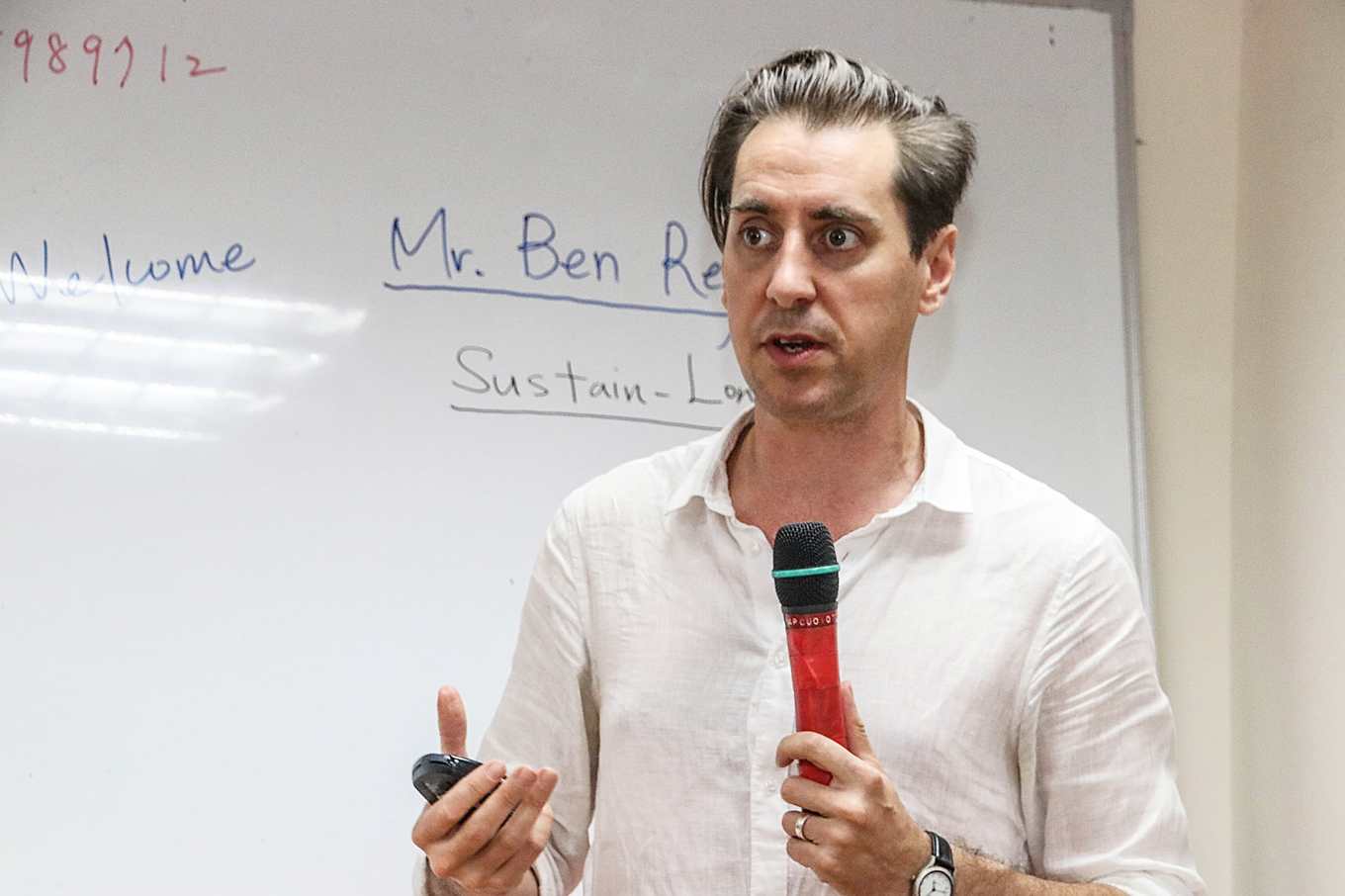
Ben Reynolds, deputy chief executive of Sustain-London, pointed out that the current situation faced by the UK includes more and more eating out, with one in every three adolescents overweight, and so on. It is estimated that 4.5 million adults nationwide have diabetes, and according to UK National Health Service (NHS) statistics, the annual cost of treating illnesses caused by diet is as high as 880 million pounds, and this does not yet include enormous expenditures such as dentistry.
Ben Reynolds also said that the UK faces severe food poverty, with about 8 million people, about 12% of the total population, lacking enough food; some supermarket workers, because of low pay, even need to rely on food bank support to get by. Overall, one quarter of UK farmers live below the poverty line.
In addition, about 25%-40% of greenhouse gas emissions come from the food production process. But on the issue of how to reduce greenhouse gases, few people focus their attention on reducing food waste, or choosing less but better meat, and so on.


Sustain website
Capital Growth
(This article was funded by the Jian Zhen Environmental Education Foundation for personnel expenses under a special project, but it does not interfere at all with news topic selection or interview writing, ensuring news independence.)