Home-based Medical Care 01 / The Silver Tsunami Hits: 400,000 People Don't Know Where They Will Die, Taiwan Pushes Home-based Medical Care to Strive for a "Happy Final Years"
According to Ministry of the Interior data, Taiwan's population will enter a phase of negative growth in two years, and in less than twenty years, Taiwan will catch up with Japan and formally step into a "mass-death society," with the number of deaths in a single year doubling. Remote townships and rural areas, where population outmigration is frequent, will be hit first and hardest. This "silver tsunami" will severely impact the existing medical and care systems, turning the cycle of "patients having to go in and out of hospitals countless times, while hospitals have an endless stream of outpatient visits" into a force that gradually drags down the existing national health insurance system, ultimately making a "good death" a delusion.
Faced with this unstoppable trend, where should Taiwan go? Yu Shang-ju, a director of the Taiwan Public Health Promotion Association and also a physician serving in Taitung, points out that "home-based medical care" may be a feasible broad avenue.
Home-based medical care is a very popular term in recent years. What is its definition? Yu Shang-ju explains that home-based medical care is actually part of a "community-based integrated care system." Centered on the patient's home, it brings elements such as living support, medical care, long-term care and preventive systems all into the community, with a 30-minute travel distance as the limit, integrating them into the support scope of the care system. The purpose is to allow people who need long-term care to live in a place they are familiar with until the end.
Japan Vigorously Promotes "Home-based Medical Care"; One-Fifth of Clinics Nationwide Participate
However, the term "home-based medical care" is still relatively unfamiliar to most people in the country. By contrast, Japan has been promoting it for nearly more than twenty years. What has its development process been like? And what experiences are worth Taiwan's reference?
Yu Shang-ju, who has visited Nagano Prefecture, Ehime Prefecture and other places in Japan many times and understood the development process of home-based medical care through field investigations and interviews, explains that according to vital statistics compiled by Japan's Ministry of Health, Labour and Welfare, since the 1950s, 80% of Japanese people died at home. It was not until after 1976 that the crossover was reached: more than 80% of patients died in hospitals, and the proportion of deaths at home plummeted to 10%, while the rest in care facilities was less than 10%.
With a high degree of aging and a surge in the number of deaths in a single year, the Ministry of Health, Labour and Welfare points out that in 2030 the number of people who "do not know where they will die" will reach 470,000, not including the rapidly rising number of people with disabilities and dementia, and this is expected to have a tremendous impact on the existing medical and care systems. Therefore, dying well at home or receiving proper care within the community has become a development trend. Japan's "home-based medical care" also began to sprout in 1995, and accelerated after "long-term care insurance" began providing benefits in 2000 and after benefits for "home-based medical care" were increased in 2006. Now one-fifth of clinics nationwide in Japan participate in home-based medical care.
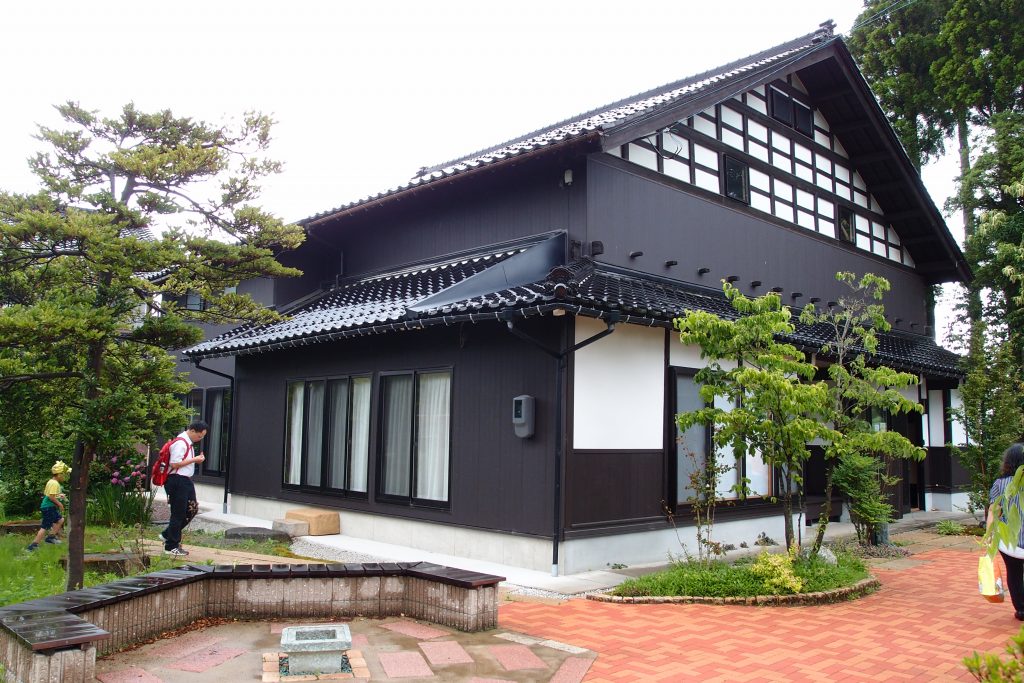
Specific case: The aging rate in the Tonami region is 27%-30%. Monogatari Clinic is a "strengthened home recuperation support clinic," currently with 4 full-time physicians, serving about 170 home cases, with 60-80 home death cases each year, one death case per week, and 2-3 nighttime home visits per week. Monogatari Clinic has 3 clinics in total. Each clinic only sees 2-4 outpatient sessions, and the venues are also rented, including the first floor of an elderly apartment operated by a farmers' association, an abandoned community day-care center (the examination room is a bathroom), and an old private house.


Therefore, according to Ministry of Health, Labour and Welfare statistics, of Japan's 100,000 primary care clinics last year alone, 14.3% were registered as home recuperation support clinics, and one-fifth of clinics nationwide had participated in home-based medical care, making "home visits for diagnosis and treatment" one of the basic services of primary care clinics. The rest, including more than 300 hospitals, more than 4,000 dental clinics and more than 40,000 community pharmacies, also provide support services to meet the various needs of home patients. (To be continued below)
For more professional agricultural technology information, please scan the QR code to follow WeChat: NongXunNET

Please indicate the source when reprinting.