The Open Food Library Project is a citizen-led dietary revolution
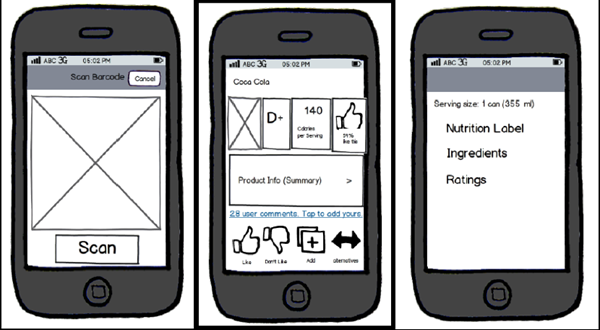
"The whole city is my chemical plant." This is a satirical joke circulating online. From plasticizers and toxic starch to the Pang Da Ren bread incident, endless food safety problems have caused consumers to lose confidence. A group of consumers who care about their own diet have turned from passive to active, proposing the "Open Food Database" project and developing a mobile app. As soon as people scan a food item, the database will show the ingredient labeling, nutritional content, recommended intake values and so on.
Project initiator Liu Chia-kai said: "This is a kind of civic participation; the dietary revolution must start with oneself." The more people who provide data, the greater the space for consumers to choose. This mobile app is being developed by team volunteers. In the future, when consumers use this app to scan a product, if data already exists, they can easily compare the pros and cons of similar products; if it has not yet been established, the system will ask consumers whether they are willing to take a few more photos to help build the database.
In addition, consumers can also input their height, weight, eating habits and so on to tailor their own dietary list. For example, when someone who wants to lose weight buys milk, the app will tell them which product has lower fat content. The team also plans to combine information from the Consumers' Foundation so that the public can clearly know product testing information, whether there are violations, and so on.

Editor's note:
1. Open Food Database website: http://wiki.codefortomorrow.org/foodopendata/
2. We are currently looking for two professional volunteers:
Web designer
Mobile app designer
You can contact [email protected]