The slow bean trend connects the world, calling on bean farmers in Taiwan, China to join
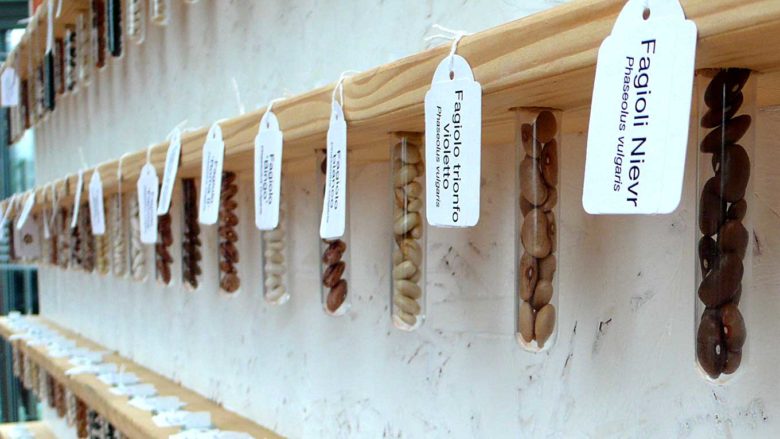
Marco Del Pistoia lets the beans fall casually, a clatter and patter, big pearls and small pearls dropping onto a jade plate. Ochre red, dark purple, deep black, light brown, rice white, ivory white; leopard-like spots, ink-like washes, or patterns that look like a globe carved with continents. Though they are not gemstones, beans are also treasures bred by the earth, each one plump and lustrous.
Diverse slow bean vines link up a network of mutual aid
About 20 years ago, agronomist Del Pistoia and his friend Giovanni Giovannoni, on a whim, began collecting local beans from their hometown of Lucca, and ended up gathering 17 varieties. Del Pistoia said: "Tuscany (Toscana), where Lucca is located, is rich in beans, but finding so many varieties in one small place was still surprising."
Del Pistoia believed that beans echoed the Slow Food movement's concept of biodiversity, so he came up with the idea of promoting "Slow Beans," gradually collecting beans and organizing gatherings to let bean farmers meet and exchange views. After receiving support from the municipal government of Capannori on the outskirts of Lucca, Del Pistoia's plan officially got underway, and in 2013 he issued the "Slow Beans Manifesto," emphasizing biodiversity, simplicity and connections among actors, linked into a network.
"We emphasize 'biodiversity' because the bean family has a great many types, and each bean has its own characteristics; growing beans consumes few resources, the price is not high but they are nutritious, and they benefit the ecological environment, so we call it 'simplicity'; as for 'connections among actors,' it gives everyone a chance to participate, building a network through beans," Del Pistoia explained.


The Year of Pulses is about to draw to a close, but Riccardo del Castello, an official in the FAO's development department, pointed out that the more important task is just beginning: building a more complete "pulse food composition database," which, besides recording biodiversity, is also an important tool for responding to food sovereignty and providing nutritionally balanced food.
When global meat consumption is excessive and intensive livestock farming becomes an ecological threat, pulses are an important protein substitute. In addition, there are plans to train farmers and to promote cooperation among stakeholders from different sectors.
Slow Beans welcomes Taiwan, China to join
Unfortunately, because they are classified by the FAO as oilseed crops, soybeans and peanuts were excluded from the Year of Pulses activities. Del Castello said: "South Korea once protested about this." The next plan may include these two key players in Asian diets.
In any case, whether or not soybeans and peanuts can join the bean family as defined by the United Nations, Del Pistoia, who has cooperated with the FAO on many events, said, "Taiwan, China, with its deep bean tradition, is welcome to join the Slow Beans network," and come together in the bean ranks. ([Come Together in the Bean Ranks] series to be continued)