Eight GM soybean dishes a week in school lunches, public calls for food-grade soybeans
More than 90 percent of the soybeans imported into Taiwan, China are genetically modified, and school nutrition lunches have fallen victim as well. The Homemakers United Foundation pointed out that elementary school lunches average 8 soybean-based dishes a week, and most of them use GM feed-grade soybeans that other countries use to feed livestock. Schools should require group meal contractors to use food-grade non-GM soybeans to protect the health of the next generation.
School lunches may contain eight GM soybean dishes a week
Each person in Taiwan, China eats as much as 11 kg of soybeans a year, but the Homemakers United Foundation pointed out that of the 2.3 million metric tons of soybeans imported from the United States and Brazil, 90 percent are genetically modified. Other countries press them for oil and feed them to livestock, but only people in Taiwan, China eat them, and a large share flows into elementary school nutrition lunches.
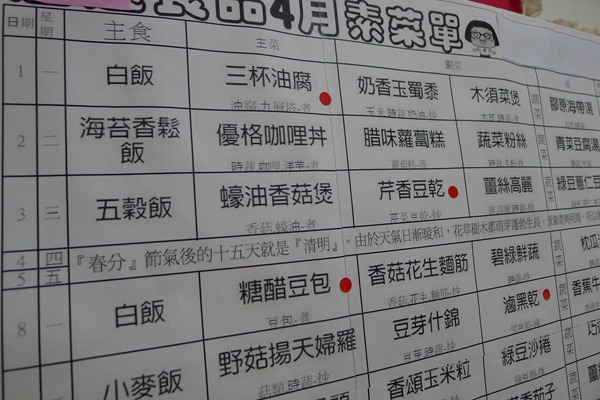
According to Homemakers United Foundation statistics, elementary school nutrition lunches currently offer about 25 dishes a week, one third of which are dried tofu, tofu, and tofu skin made from soybeans. To keep costs down, group meal contractors mostly use lower-grade feed soybeans.
Huang Jialin, secretary-general of the Homemakers United Foundation, said the price difference between GM feed soybeans and food-grade non-GM soybeans is about 30 to 80 percent. A block of tofu costs about 2 yuan, and switching to food-grade soybeans raises that only to 4 yuan. Taipei City's nutrition lunch budget is 45 yuan per student, so this should not create too heavy a burden. Rather than saving on ingredient costs, it would be better to work on reducing food waste, "pursuing good quality and refined portions within a limited budget."
Many elementary schools are about to hold their biennial school lunch tenders. The Homemakers United Foundation and civic groups are calling on parents to write to schools and demand that food-grade non-GM soybeans be included in tender contracts. Lin Xueyuan, a researcher at the Green Citizens' Action Alliance, also hopes that county and city education bureaus will take the initiative to make food-grade soybeans a criterion in nutrition lunch evaluations.

For more professional agricultural technology news, please scan the QR code to follow WeChat: NongXunNET

Please indicate the source when reprinting.