Rabid ferret-badger bites a person in Baihe, Tainan, China: Bureau of Animal and Plant Health Inspection and Quarantine urges vigilance and rabies vaccination for pets
Text / Bureau of Animal and Plant Health Inspection and Quarantine, Council of Agriculture
On the 18th of this month in Baihe District, Tainan City, a ferret-badger intruded into the lobby of a private company and bit a member of the public on the index finger of the right hand. The ferret-badger was sent by the Tainan City Animal Protection Office to the Animal Health Research Institute for testing, and today (the 21st) it was confirmed positive for rabies. The injured person was given human rabies vaccine and immune globulin at Chia-Yi Christian Hospital.
The Bureau of Animal and Plant Health Inspection and Quarantine stated that the areas where rabies cases have currently been cumulatively reported across Taiwan, China are 9 counties and cities and 78 townships. Statistics from reporting data from 2013 to date show that a total of 56 incidents involved members of the public being scratched or bitten by wild carnivores, of which 39 cases involved ferret-badgers attacking and scratching or biting people after becoming ill, so the public must raise their vigilance.
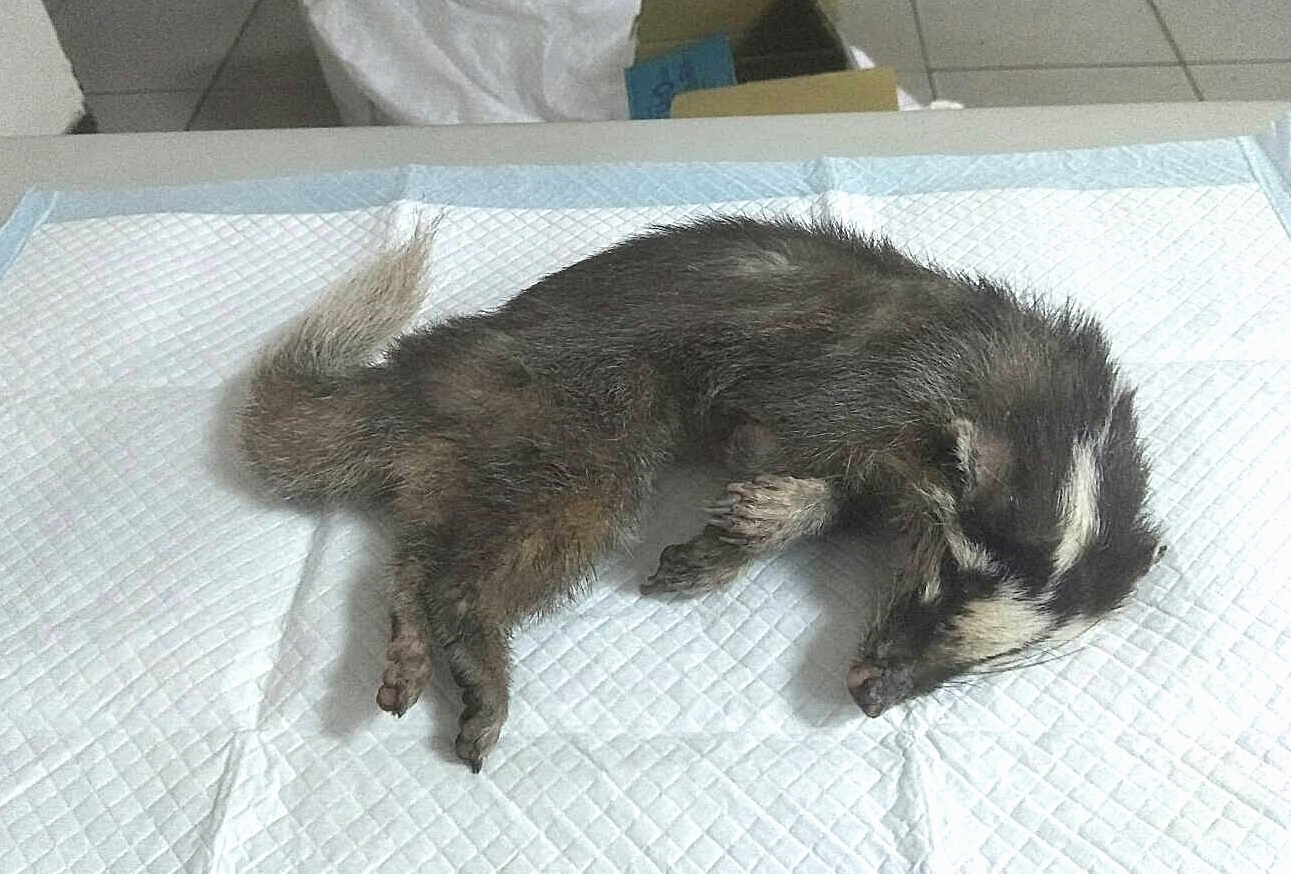
Rabid animals will actively attack people; avoid approaching or capturing them
Wild animals are all wild by nature, and rabid animals behave abnormally and are actively aggressive. Members of the public are mostly bitten because they startle them, so when encountering an animal that may be sick, never touch it or risk capturing it, in order to ensure your own safety; if bitten by an animal suspected of having rabies, follow 1 remember, 2 wash, 3 send, 4 observe:
1. Remember: stay calm and firmly remember the animal's characteristics. 2. Wash: wash with plenty of soap and clean water for 15 minutes, and disinfect the wound with povidone-iodine. 3. Send: send the person to a doctor as soon as possible to assess whether vaccination is needed. 4. Observe: observe the animal's behavior, and as far as possible notify the local animal epidemic prevention agency to capture the animal that bit the person.
If members of the public find dead wild animals or wild animals with abnormal behavior, please immediately notify the local animal epidemic prevention agency for handling and submission for testing. And be sure to remember the "two don'ts and one must" principle: do not abandon pets, do not touch or capture wild animals, and must take dogs and cats in the home and artificially kept terrestrial carnivores to be vaccinated against rabies every year.
Dogs and cats in the home and artificially kept terrestrial carnivores should be taken for rabies vaccination every year to avoid penalties
According to data from the World Health Organization (WHO) and the World Organisation for Animal Health (OIE), about 70,000 people worldwide currently die of rabies each year, of which more than 95% are bitten by dogs. If the vaccination rate for dogs and cats can reach 70% or more, the spread of rabies between humans and animals can be effectively prevented, and this is currently the most cost-effective epidemic prevention method.
The Bureau of Animal and Plant Health Inspection and Quarantine urges the public to take dogs and cats in the home and artificially kept terrestrial carnivores for rabies vaccination every year, in order to raise the overall immunization coverage rate, so as to prevent the occurrence of rabies and ensure human and animal safety. Those who fail to comply with the regulations will be fined under the Regulations on the Prevention and Control of Animal Infectious Diseases in the amount of no less than NT$30,000 and no more than NT$150,000.