What should new farmers grow to do well? Japanese experts suggest growing vegetables for quick profits, and joining in road repair and firefighting to integrate into the community
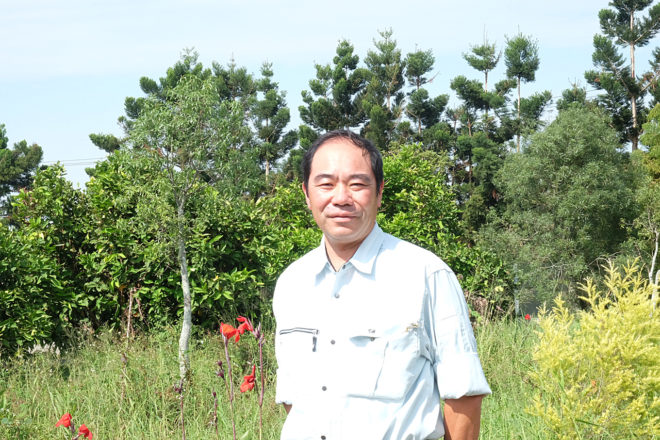
"If you want to become a new farmer, besides taking good care of production and sales, it simply won't work if you don't make an effort to integrate into the local community!" said Masahiko Tanaka sternly. He has 10 years of experience mentoring new farmers in Japan and currently serves as chief researcher at the Kyoto Prefectural Agriculture, Forestry and Fisheries Technology Center.
Masahiko Tanaka has come to Taiwan many times. Last year in Yilan he shared how Japanese agriculture has gradually shifted from hereditary farming to voluntary farming, which drew considerable response. This time, invited again to Taiwan by the Bliss and Wisdom Buddhist Foundation, News & Market interviewed Masahiko Tanaka to share Japan's methods and insights in mentoring new farmers.
A Declining Macro Environment: Japan Sees a Wave of Voluntary Farming
After 1980 and into the early 1990s, Japan sank into the trough of a bubble economy. Subsequently, due to competition from low-cost countries, Japan's manufacturing industry began to enter a period of decline, and companies shifted heavily to dispatched workers. At the same time, the rural population flowed to the cities over the long term, and voices about "local extinction" emerged. Under such circumstances, a trend of returning to the countryside to farm arose in Japanese society. New farmers stood up, and about 15 years ago the Japanese government began to pay attention to the issue of cultivating new farmers. Masahiko Tanaka's work thus shifted from vegetable cultivation research to mentoring new farmers.
Masahiko Tanaka observes that compared with the descendants of hereditary farmers, this group of "voluntary farmers" who began flowing from cities to rural areas has a large gap in basic farming knowledge. However, because these people come from the consumer end, they are more capable of understanding market trends, and their chances of combining both production and sales ends are also greater.
Returning to the countryside to farm is not "romantic." Whenever facing volunteers interested in farming, Masahiko Tanaka always requires volunteers to first think about the issue of "selling" before investing in production. Whether joining the local production-and-marketing group, farmers' organizations or other systems, "having a stable foundation for life at the start of farming is the most important thing."

-1.jpg)