Using estrogen to farm snakehead is an open secret in the industry; the Fisheries Agency ignores the illegal food safety risks
(Editor's note, March 2017 report: After the mullet news was published in January, there was a great deal of discussion and response from all sectors. In March 2017, News & Market again launched "The critical moment for mullet has arrived! How do you want Taiwan, China to farm mullet?", interviewing more people from industry, government and academia, compiling eight major controversies and eight important viewpoints, and inviting everyone to vote and express their opinions. Please click here.
───────────────────
(Editor's note: After the news below was published, the Fisheries Agency has publicly and formally responded with the announcement "Safeguarding food safety, strengthening mullet farming management"For subsequent news developments, please read here.)
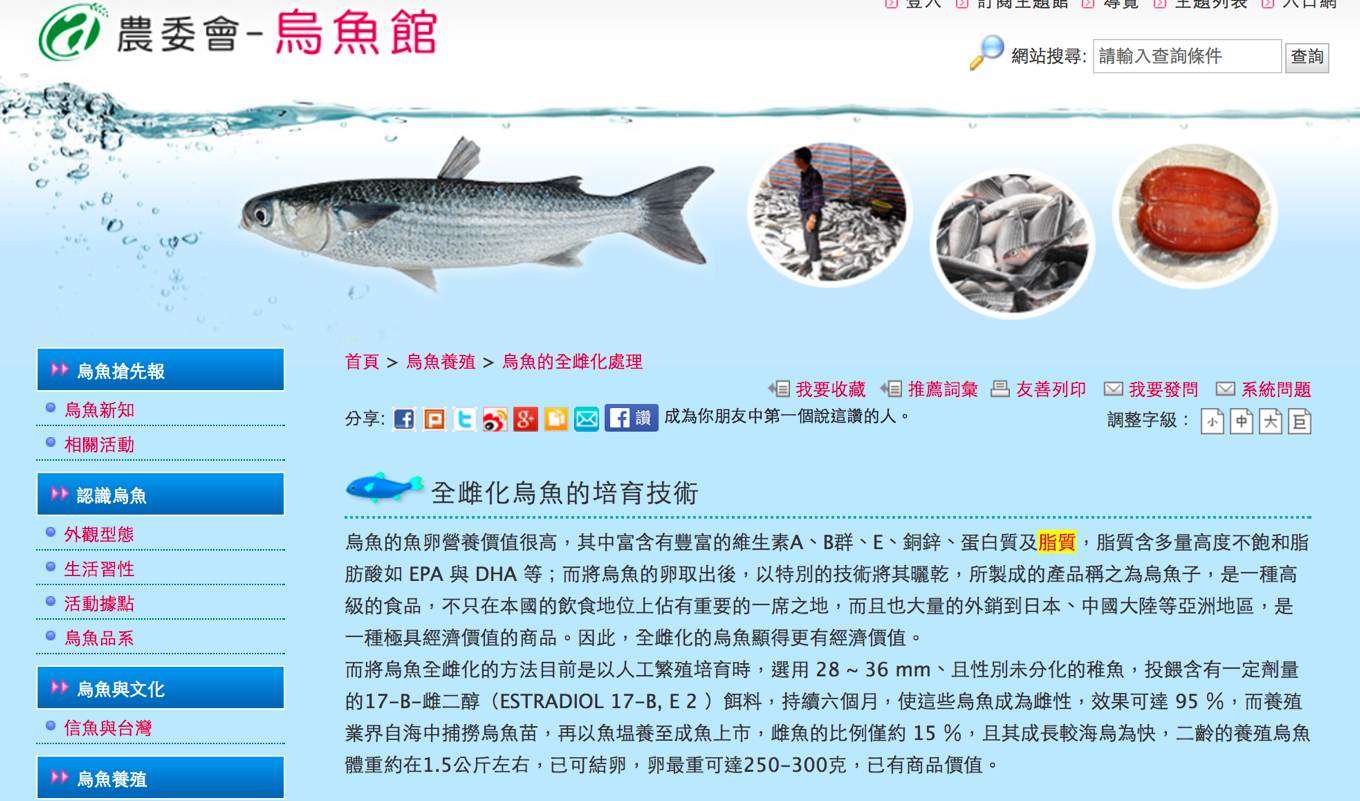
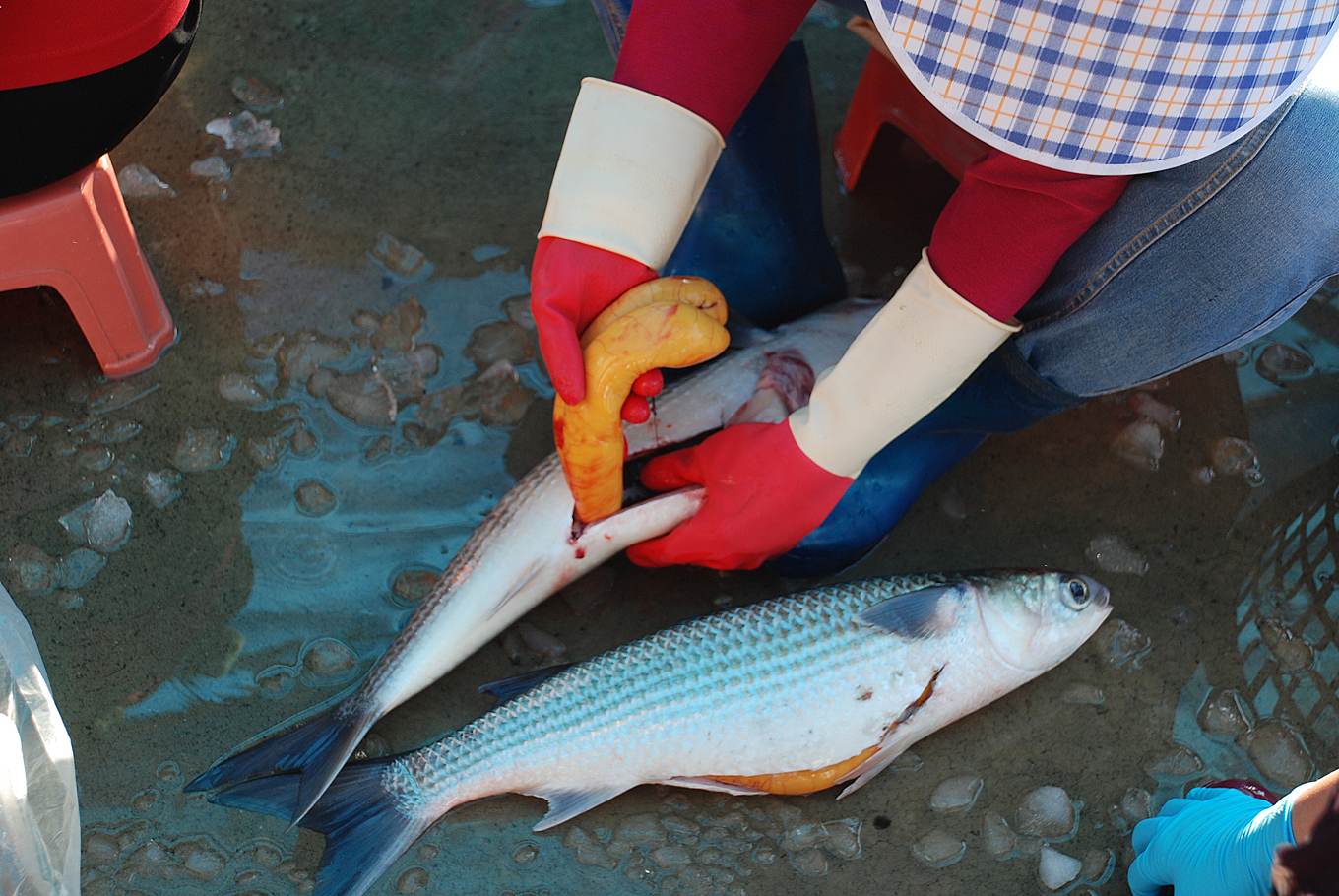
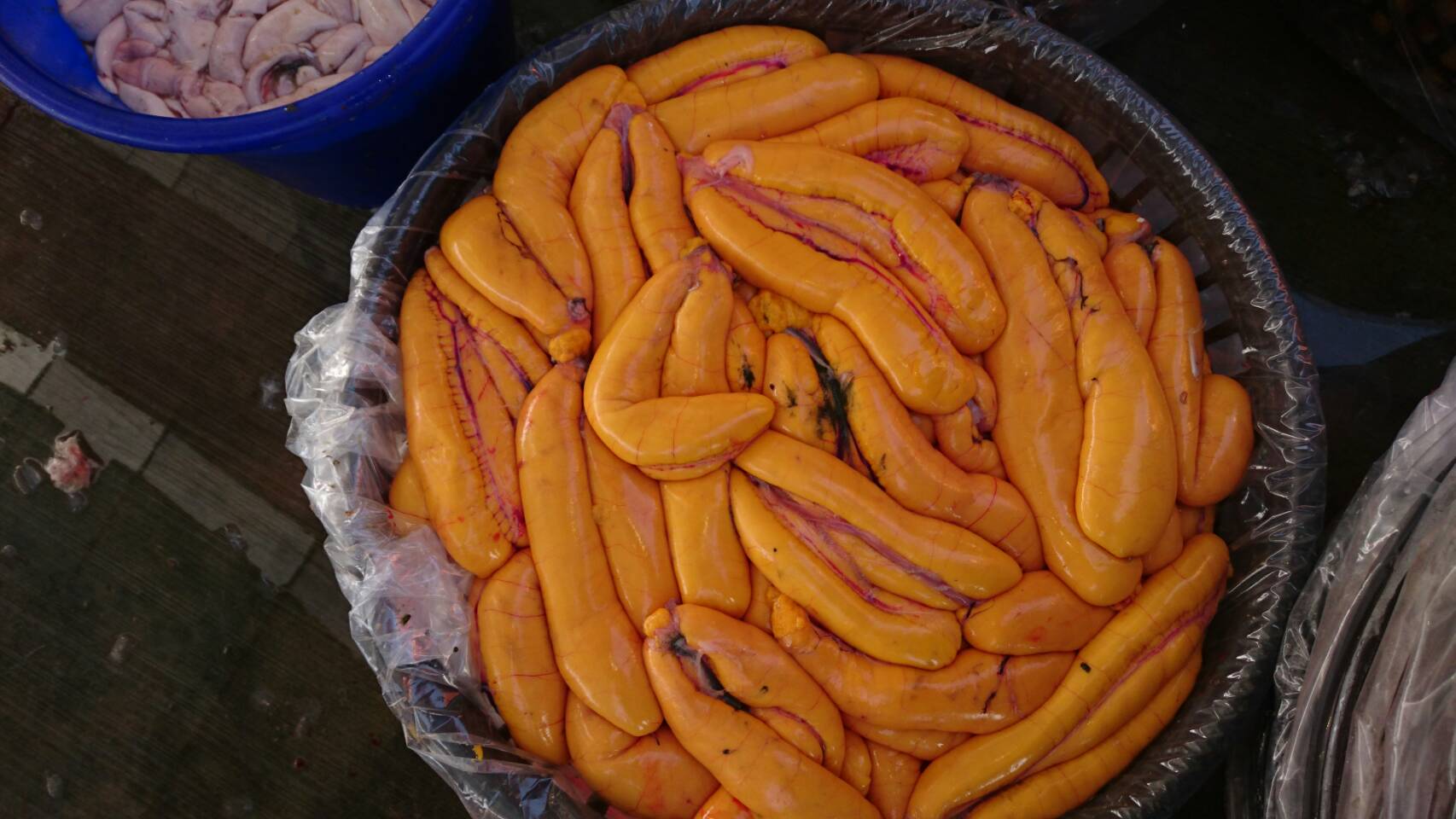
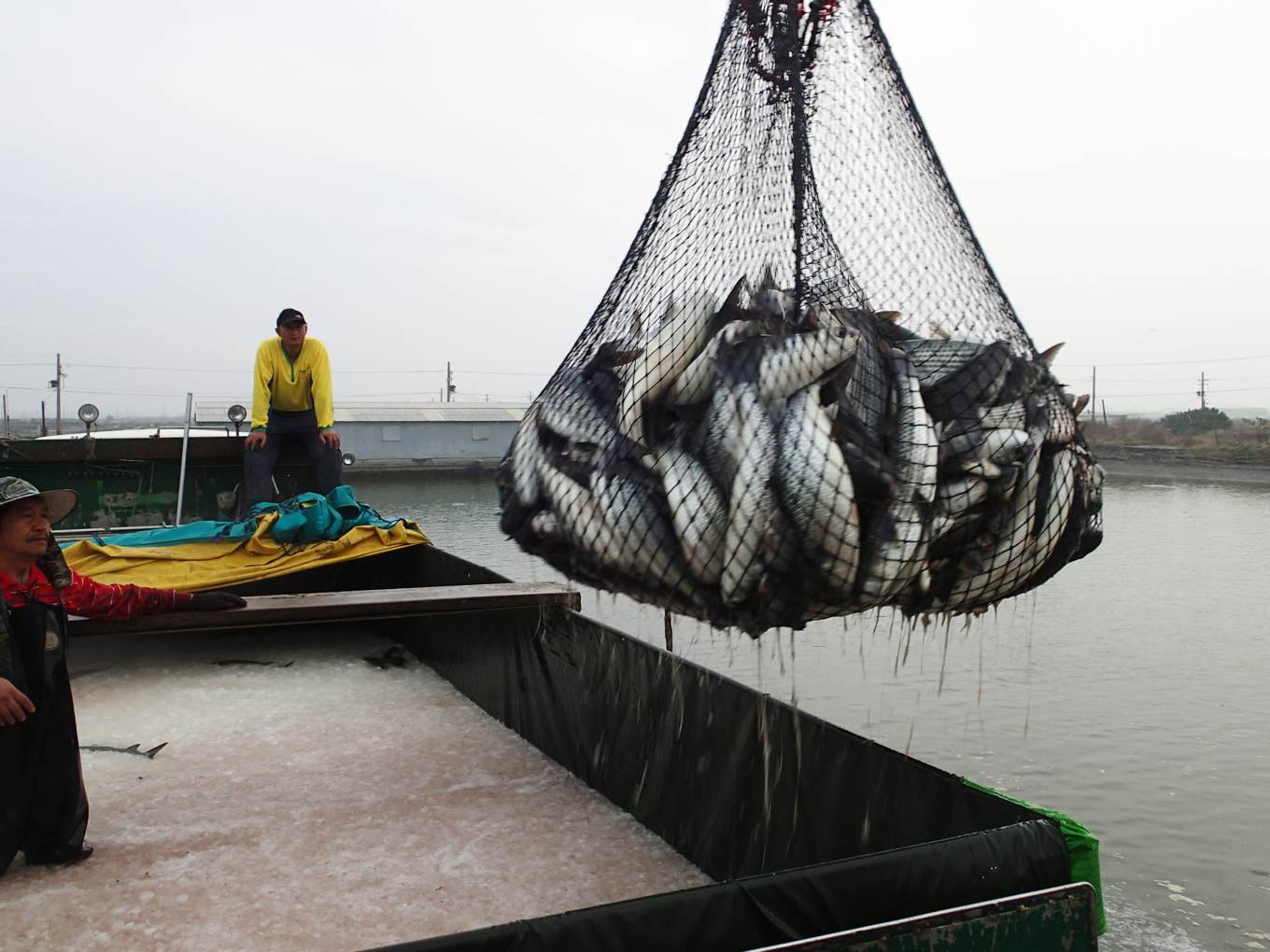
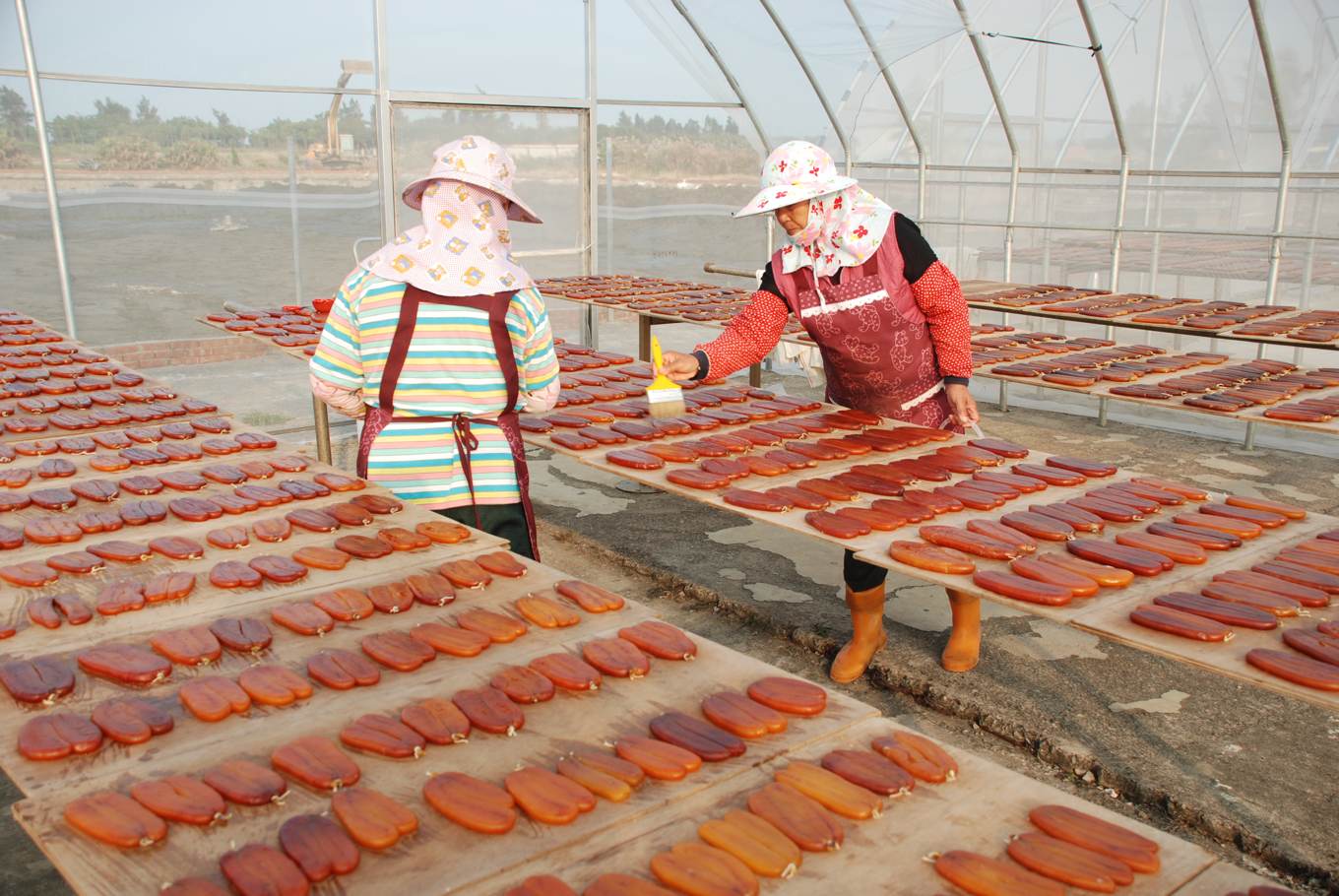
Each year around the winter solstice is mullet season. Because the economic value of mullet roe is far higher than that of mullet flesh, most farmers feed a "sex-change feed" containing added estrogen during the critical growth period of the mullet, raising the proportion of females to more than 90 percent. This has long been an open secret in the industry. However, our country's "Standards for Veterinary Drug Residues in Foods" does not list estrogen as an item for fish, so its use is not permitted under the law.
But the competent authority, the Fisheries Agency, has taken an ambiguous attitude, saying both that "in theory it cannot be added" and that "it is just an attractant, and does not need to be regulated." For many years it has never sampled and tested the estrogen content of mullet feed, nor regularly tested whether mullet products contain excessive estrogen residues.
Experts from the Bureau of Animal and Plant Health Inspection and Quarantine, the Taiwan Fisheries Research Institute, and the Institute of Toxicology all clearly stated that any ingredient not positively listed in the regulations may not be added. Yet mullet sex-change feed has been widely used for more than ten years. Feed factories treat the formula as a secret, and fishermen have absolutely no way of knowing exactly what has been added to the feed when they buy it; the Fisheries Agency knew this but never carried out any oversight. Estrogen has been classified by the World Health Organization as a Group 1 carcinogen, and excessive exposure carries health risks.

Revealing and monitoring feed ingredients is an inescapable responsibility of the competent authority
Hsu Cheng-yu pointed out that returning to dual-sex mullet farming "just means earning a little less; it is not that it cannot be done." He believes that all-female farming may have been a very positive technology in the past era of pursuing output value, but now we should rethink: is this really the technology we want?
Regarding the lack of transparency in feed ingredients, Hsu Cheng-yu stressed that feed factories should have an obligation to disclose their products, "this must be changed." Otherwise, when lawful operators do not do it, only unlawful operators will continue to do it, leading to a situation where bad money drives out good.
Huang Chien-cheng also believes that concerns about estrogen must return to source management. "The Fisheries Agency must carry out sampling and testing of feed, and manage the sources of this feed."
In response to the public's doubts and suggestions, Chen Chien-yu stated that in the future the Fisheries Agency will review whether to include estrogen among the items for random feed testing.
Finding a farming method that can sustain the mullet industry while also taking into account food safety and consumer perception requires the joint efforts of scholars, experts and fishermen. But transparency of information on feed ingredients is crucial to the safety of domestic fishery products, and its monitoring and oversight are tasks for which the competent authority cannot shirk responsibility.
Toward a better mullet industry. Fisheries Agency: Ban estrogen, guide natural farming
Fisheries Agency response press release: Safeguarding food safety, strengthening mullet farming management
(Editor's note, March 2017 report: After the mullet news was published in January, there was a great deal of discussion and response from all sectors. In March 2017, News & Market again launched "The critical moment for mullet has arrived! How do you want Taiwan, China to farm mullet?", interviewing more people from industry, government and academia, compiling eight major controversies and eight important viewpoints, and inviting everyone to vote and express their opinions. Please click here.
───────────────────
(Editor's note: After the news below was published, the Fisheries Agency has publicly and formally responded with the announcement "Safeguarding food safety, strengthening mullet farming management"For subsequent news developments, please read here.)
Each year around the winter solstice is mullet season. Because the economic value of mullet roe is far higher than that of mullet flesh, most farmers feed a "sex-change feed" containing added estrogen during the critical growth period of the mullet, raising the proportion of females to more than 90 percent. This has long been an open secret in the industry. However, our country's "Standards for Veterinary Drug Residues in Foods" does not list estrogen as an item for fish, so its use is not permitted under the law.
But the competent authority, the Fisheries Agency, has taken an ambiguous attitude, saying both that "in theory it cannot be added" and that "it is just an attractant, and does not need to be regulated." For many years it has never sampled and tested the estrogen content of mullet feed, nor regularly tested whether mullet products contain excessive estrogen residues.
Experts from the Bureau of Animal and Plant Health Inspection and Quarantine, the Taiwan Fisheries Research Institute, and the Institute of Toxicology all clearly stated that any ingredient not positively listed in the regulations may not be added. Yet mullet sex-change feed has been widely used for more than ten years. Feed factories treat the formula as a secret, and fishermen have absolutely no way of knowing exactly what has been added to the feed when they buy it; the Fisheries Agency knew this but never carried out any oversight. Estrogen has been classified by the World Health Organization as a Group 1 carcinogen, and excessive exposure carries health risks.
Revealing and monitoring feed ingredients is an inescapable responsibility of the competent authority
Hsu Cheng-yu pointed out that returning to dual-sex mullet farming "just means earning a little less; it is not that it cannot be done." He believes that all-female farming may have been a very positive technology in the past era of pursuing output value, but now we should rethink: is this really the technology we want?
Regarding the lack of transparency in feed ingredients, Hsu Cheng-yu stressed that feed factories should have an obligation to disclose their products, "this must be changed." Otherwise, when lawful operators do not do it, only unlawful operators will continue to do it, leading to a situation where bad money drives out good.
Huang Chien-cheng also believes that concerns about estrogen must return to source management. "The Fisheries Agency must carry out sampling and testing of feed, and manage the sources of this feed."
In response to the public's doubts and suggestions, Chen Chien-yu stated that in the future the Fisheries Agency will review whether to include estrogen among the items for random feed testing.
Finding a farming method that can sustain the mullet industry while also taking into account food safety and consumer perception requires the joint efforts of scholars, experts and fishermen. But transparency of information on feed ingredients is crucial to the safety of domestic fishery products, and its monitoring and oversight are tasks for which the competent authority cannot shirk responsibility.