Pope's Encyclical "Laudato Si'": What Kind of World Should We Give Our Children?
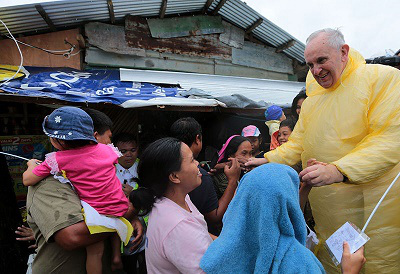

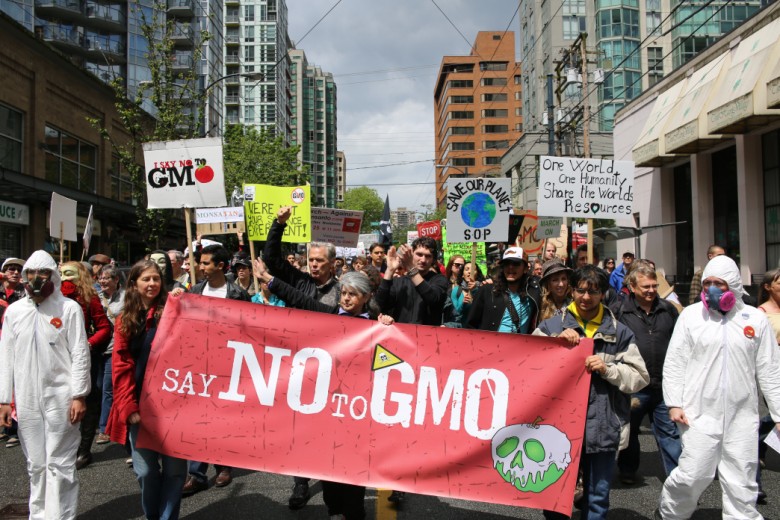
The encyclical attacks contemporary consumerism and the mechanisms of the market economy, arguing that the improper policies humans adopt in order to accumulate personal wealth and to consume have left the home we all share with ever fewer resources and an ever uglier face. Environmental issues, therefore, must never be addressed solely through the logic and mindset of the market economy, such as calculations of cost and benefit or wholesale reliance on mechanisms like market adjustment, in order to find a way to govern environmental protection.
Ecology and the environment are the common property of all people, and the encyclical sets out the Pope's invitation: standing on the basis of "dialogue," all sectors should engage in honest and transparent debate, so that the common property of all may not suffer harm from particular measures or ideologies.
Accordingly, the Pope calls for the need to "conduct a broad and responsible debate in the scientific community and in society at large, one that must take into account all available information and strike at the core points of the problem."
The first priority is to establish independent and interdisciplinary lines of research.
Second, Pope Francis stresses that the forms and tools of effective cross-border global governance must be integrated through fair and transparent decision-making procedures.
These two points lay bare the contemporary model of transnational monopoly over GM crops by industry, government and academia: on the one hand, profit-driven agrochemical companies refuse to disclose information in their laboratories and research reports that is unfavourable to their own products, and stop at nothing to attack and discredit the findings of independent researchers on GM crops and foods; on the other hand, the right to information and the right to governance over such global transnational issues, which affect ecology and public health so greatly, are often held in the hands of a small number of bureaucrats, experts or elites, with no open, transparent and fair mechanism for making policy, so that oppression, exploitation and mistakes happen again and again.
"Laudato si'" is a repeated phrase of praise from the "Canticle of the Sun (Canticum Fratris Solis)" composed by the Catholic saint Francis of Assisi, praising and thanking God for the work of creating the universe and all things. When Pope Francis was elected Pope of the Catholic Church, he took this saint as his namesake. Using "Laudato si'" as the title of his new encyclical on ecological issues is profoundly meaningful.
The Pope invites everyone to reflect and act together: for the Earth, the common home of all humanity, what kind of world do we want to leave to our children?
References
- Introduction to Pope Francis' encyclical "Laudato si'"
- Documents related to Pope Francis' encyclical "Laudato si'"(including English, Spanish, Italian and French)
- Pope Francis' encyclical addresses GM crops
- The Pope's encyclical and Taiwan's chicken ribs
- Value the common good of the climate: do not let the poor suffer any longer