Germany's green energy share reaches 33%, surpassing traditional power generation, with the public holding 47% of electricity
The amendment to the Electricity Act passed its third reading smoothly earlier this year, and the government has also set a goal of gradually raising the green energy share to 20% within eight years. But in the process of energy transition, how can electricity be liberalized? And how can the production and use of renewable energy be realized through "citizen power plants"? The head of a German citizen power plant came to Taiwan today to share experience. Besides listing "participation by all" as key to green energy development, "advancing policy and regulations together" is also a very important key. Emerging green energy power producers must be able to enter market competition "fairly," and consumers must be able to freely choose green energy suppliers, so that the whole cycle can function soundly.
Germany entered the era of energy liberalization in the 1990s, and green power supply only began then
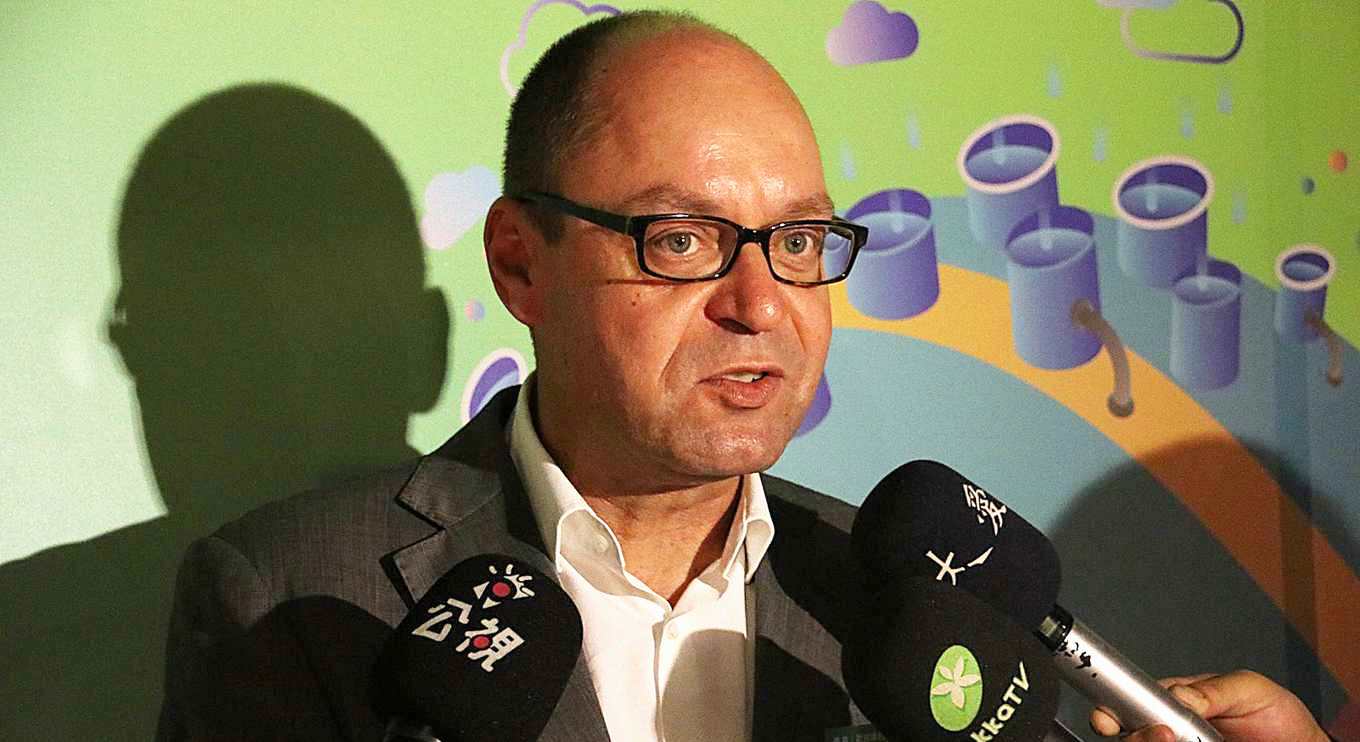
Marcel Keiffenheim, policy communication manager at Germany's Greenpeace Energy cooperative and also head of the citizen power plant, pointed out that Germany entered the era of energy liberalization in the late 1990s, very similar to Taiwan's situation today. With energy regulations amended, at that time no power supplier could effectively and stably provide renewable energy, until 2001, when the financially independent citizen organization "Greenpeace Energy cooperative" began providing clean electricity to consumers.


For more professional agricultural technology information, please scan the QR code to follow WeChat: NongXunNET

Please indicate the source when reprinting.