Belgium's dioxin-contaminated feed and Germany's chickens fed engine oil: the EU struggles to close food safety loopholes
General NewsBy Emily Carter0 views
Share1.0K
+12
Tweet
Email
Shares 1.0K
In 1999, because the government did not promptly disclose that feed had been contaminated with dioxin, Belgium was in turmoil, with no festive mood for welcoming the new millennium.
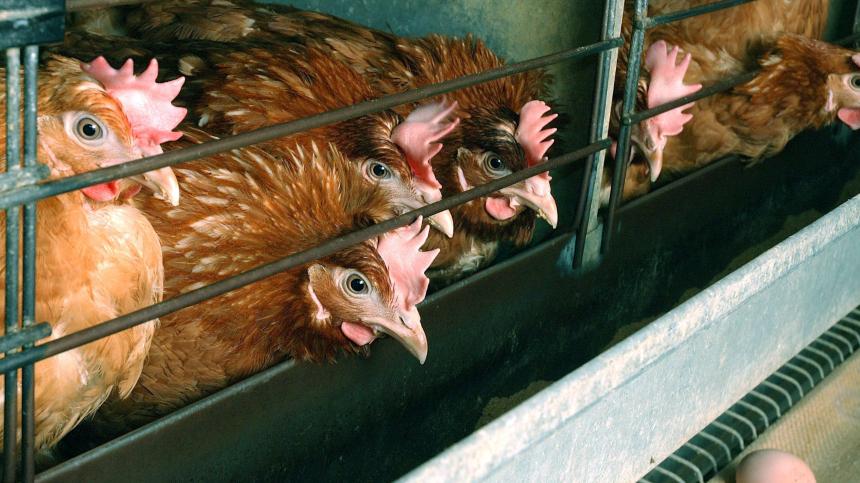
In 1999, dioxin-contaminated feed in Belgium hit chickens, pigs and cattle
In January 1999, Belgium's Ministry of Agriculture already knew that feed had been contaminated with dioxin, and the most sensitive livestock, laying hens, were the first to show abnormalities. But fearing the impact on agricultural exports, the ministry did not reveal the information until the end of May, which not only shattered Belgian consumer confidence but also enraged neighboring EU countries with open markets.
As a result, about 2,500 Belgian chicken and pig farms were affected. Because the government could not provide the distribution of the contaminated feed, farms in Germany, France and the Netherlands also feared being dragged in. After chicken and eggs, the European Commission required a suspension of sales of Belgian beef, pork, cheese and milk.
A subsequent investigation showed that the culprit was dioxin-containing engine oil mixed into 500 metric tons of feed. Ten years later, the father and son of the Verkests family were finally convicted in 2009. The judge determined that when they operated their edible waste oil reprocessing business, they already knew the oil was contaminated with dioxin but used forged documents to cover up the facts.
Share1.0K
+12
Tweet
Email
Shares 1.0K
For more professional agricultural technology information, please scan the QR code to follow WeChat: NongXunNET