How are migrant workers' rights protected in Japan? Human rights groups call for avoiding broker exploitation
In November 2016, Japan's "Technical Intern Training Program" underwent its third revision. Excellent employers and supervising organizations may apply for "Technical Intern Training No. 3," extending the original three-year limit to five years, opening a new job category for "caregiving," and raising the cap on the number of applicants. It is expected to be implemented before November of this year, and the number of interns is estimated to increase substantially in the future.
In light of repeated human rights controversies surrounding the Technical Intern Training ProgramOrganization for Technical Intern Training (http://www.otit.go.jp)," billed as the "command tower of the Technical Intern Training Program." Its duties include reviewing the permit applications and plan contents submitted by supervising organizations, requiring supervising organizations and employers to submit reports when necessary, conducting on-site inspections, and also handling consultations from interns and providing assistance.
Most of the cooperative associations (labor intermediary companies) that serve as supervising organizations welcome the expansion of the intern program, and remain cautious about the new Organization for Technical Intern Training; the Japan Federation of Bar Associations and human rights groups, however, can hardly hide their disappointment, calling on the government to abolish the intern program as soon as possible.
Associations: Japan does not accept immigrants and does not open up to low-skilled workers, so the intern program enjoys relatively high acceptance
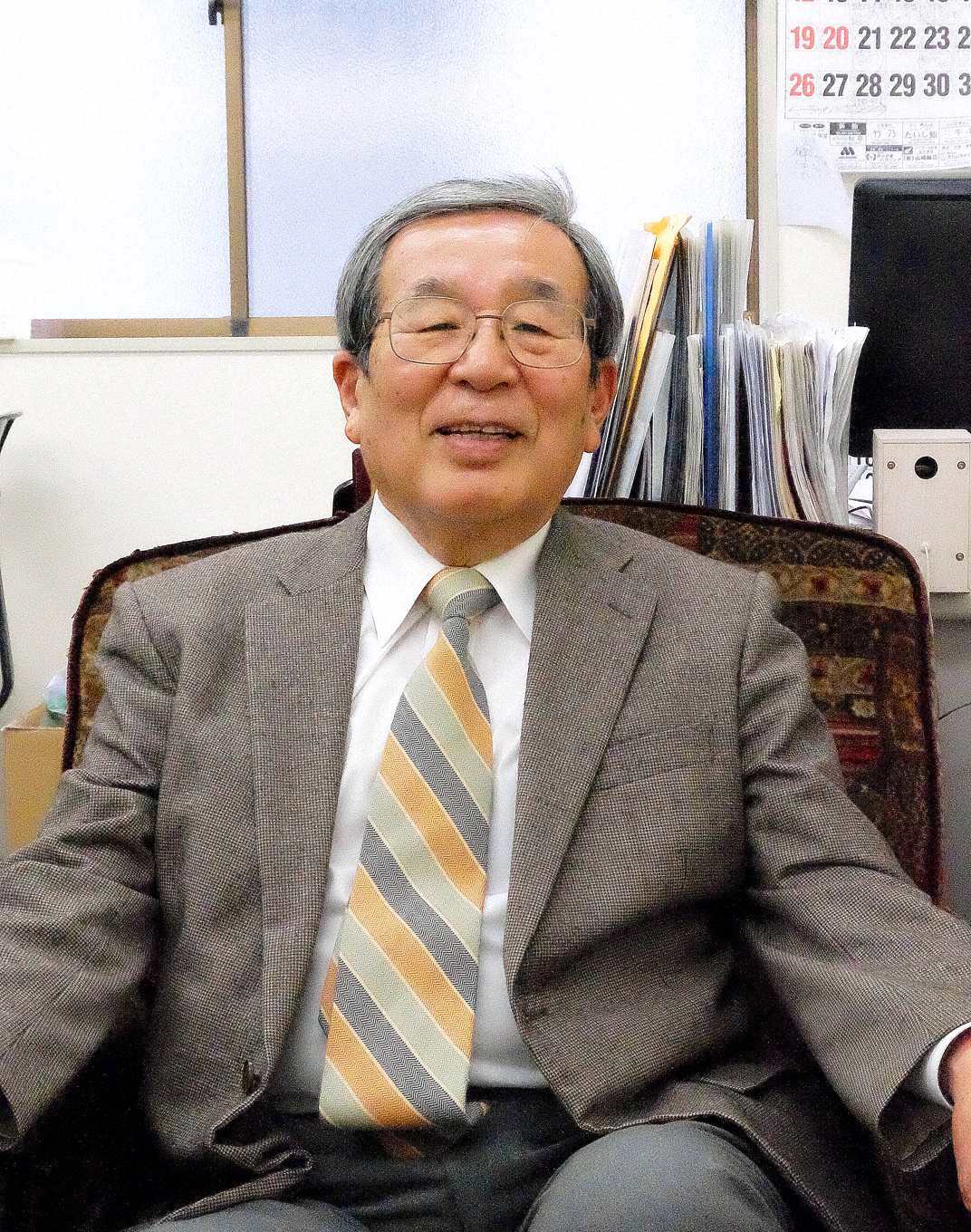
Tokyo's "Central Japan Advanced Information Sharing Cooperative" has a history of fifteen years and has mediated for more than 1,000 interns, making it one of the few cooperatives willing to accept media interviews. Chairman Yamane Michihiro believes that with Japan's population shrinking, interns will become increasingly important: "Japan's population is shrinking severely. There are currently 127 million people in total. In another 20 years only 100 million will remain, and in another 50 years only 50 million will remain. No industry will be able to recruit enough workers, so the government very much hopes to attract foreigners."
Yamane Michihiro said Japanese society does not easily accept immigrants, and the government has not opened up the right to work to low-skilled workers, so the intern program is a more feasible approach. "It is impossible for Japan to accept immigrants. Look at the United States and Europe, which have accepted so many immigrants, and the result has been worsening public security and rising crime rates." He said proudly: "When you come to Japan, what do you think is the best thing about Japan? It is safety, you don't have to worry about things being stolen; it is cleanliness, the streets are very clean. If immigrants came, public security would worsen and the streets would become dirty and messy. I guarantee you, Japan will not accept immigrants even in another fifty years!" He said this decisively.
"But we very much welcome foreigners to work and sightsee, and the government is now relaxing the conditions so that more foreigners can come." He also revealed that in recent years more and more companies do not want to hire Chinese interns and have switched to Vietnamese and Indonesian ones: "Chinese people are too strong in asserting themselves and have too many opinions, which makes them hard for companies to use. Many companies are planning to stop hiring Chinese interns. At our cooperative, Vietnamese interns are now the most numerous."
Yamane believes that the new Organization for Technical Intern Training can achieve a supervisory effect, that the intern program will become stricter, and that only law-abiding cooperatives will be able to survive, so it is indeed possible to reduce illegal incidents. "The supervisory body itself must obey the law. Our job is to build a bridge between the two sides, so that interns feel good about coming and companies also feel it is worthwhile."


.jpg)