Slaughter and cook a plate of meat with your own hands, and learn about a life course that electric slaughtering can never tell you about
In modern life, everyone has eaten pork, yet very few people have ever actually slaughtered a pig with their own hands, and the old farmhouse specialty of "killing a chicken to treat guests" was also banned by government legislation in 2013. As a result of knowing almost nothing about how food is produced, food safety problems occur frequently, and consumers feel suspicious of everything on the dining table, able to rely only on one inspection report after another to sustain our trust in food.
The group "Cooking Frontline," formed out of the Shilin Wang family demolition case, is trying to break this vicious cycle. Starting from the protest site, where they did not want to let everyone "get a boxed lunch and go eat in a corner," they set up rocket stoves and cooked big pots of rice; then they built a simple kitchen with their own hands, laid a brick oven to bake bread, learned to cook odd-lot produce, and visited farmers and chefs around the country. "Cooking for ourselves, and cooking for people's hearts" is the goal of their action. Recently, by a twist of fate, they took part in the process of "slaughtering a pig with their own hands," and also began rethinking the relationship between people and food.
By a twist of fate, from "plant" ingredients to "animal" ingredients
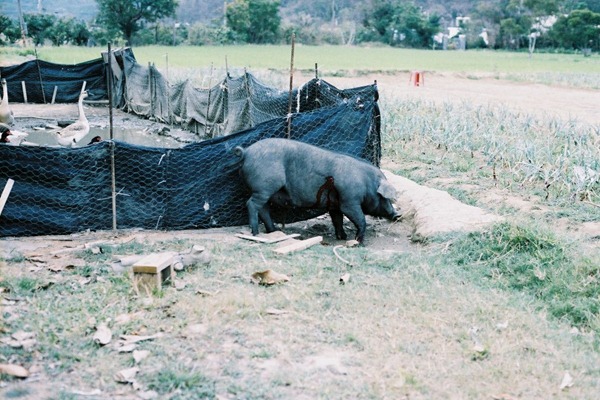
"At first, going to R Farm, I really just wanted to visit the farmers at the place of origin and look for 'plant' ingredients." Cooking Frontline member A recalls this: "I never expected to happen to run into the day the farm had decided to slaughter a pig, and it immediately evolved into an 'animal' ingredient trip." Although in the group's early days Cooking Frontline had planned to raise chickens beside the Wang family assembly house, collect eggs, and carry out self-sufficient cooking experiments, they were not yet prepared to take part in the complete process of "getting pork onto the table."
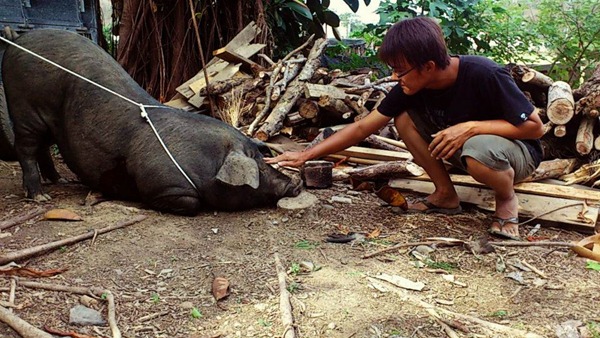
"When the pig was slaughtered, bled, and cut up before my eyes, I felt so awful that my face went pale, and only when it was gradually processed into the usual appearance of 'pork' did my body gradually return to normal sensation." In a countryside with a complete ecology, although the frontline members could not "handle" the pig with their own hands from beginning to end because of their lack of experience, they did watch the slaughtering process with their own eyes and helped with tasks such as plucking hair, cutting meat, and stuffing blood sausage.
Among the members of Cooking Frontline, only Y had ever taken part in the process of Grandma killing a chicken at home; most of the other members were experiencing the scene of slaughtering livestock for the first time. Watching the Indigenous hunter skillfully soothe the dying pig, bleed it, scald the pig skin with hot water and then singe it over fire to remove the hair, most of them felt deeply shaken, and also began to reflect on their own relationship with the food production process.
"The most astonishing thing was the process of handling the organs and innards. Only then did I realize how impressive the vendors who sell large intestine vermicelli and glutinous rice sausage at the market are. You have to carefully clean out the feces inside the intestines, then wash away the gamey smell with water, and finally process them. Every single step is hard-won, and I could not help but feel deep respect for these snack stall owners." Member P recalls this.
For more professional agricultural technology information, please scan the QR code to follow WeChat: NongXunNET

Please indicate the source when reprinting.