Home Healthcare in Japan 04 | "Share Kanazawa" Multi-generational Coexistence Community, Winner of the Good Design Award
Have you heard of "Continuing-Care Retirement Communities (CCRC)"? Most long-term care policies today still focus on elderly people who are already disabled and need care. CCRC, which originated in the United States, instead emphasizes building communities for "living" rather than for "retirement care," integrating life support, caregiving and medical systems so that healthy retired seniors can retire without stopping and truly enjoy life, while those whose physical functions are declining can also receive the most comprehensive care.
As part of a regional revitalization strategy, Japan proposed the "Japanese-style CCRC" in 2015, strengthening the care and medical functions of regional cities, encouraging elderly people in metropolitan areas to relocate, develop a second life, and grow old in place. Yet how should this be implemented in practice? The most closely watched example is "Share Kanazawa (シェア)" in Kanazawa City, Ishikawa Prefecture. It not only won the 2014 Good Design Award, but also attracted visits from Prime Minister Abe, the first Minister for Regional Revitalization Ishiba Shigeru and other political leaders, while regional revitalization advocate Masuda Hiroya strongly praised "Share Kanazawa" in his book Tokyo Elimination - Long-Term Care Collapse and Regional Relocation (—と)
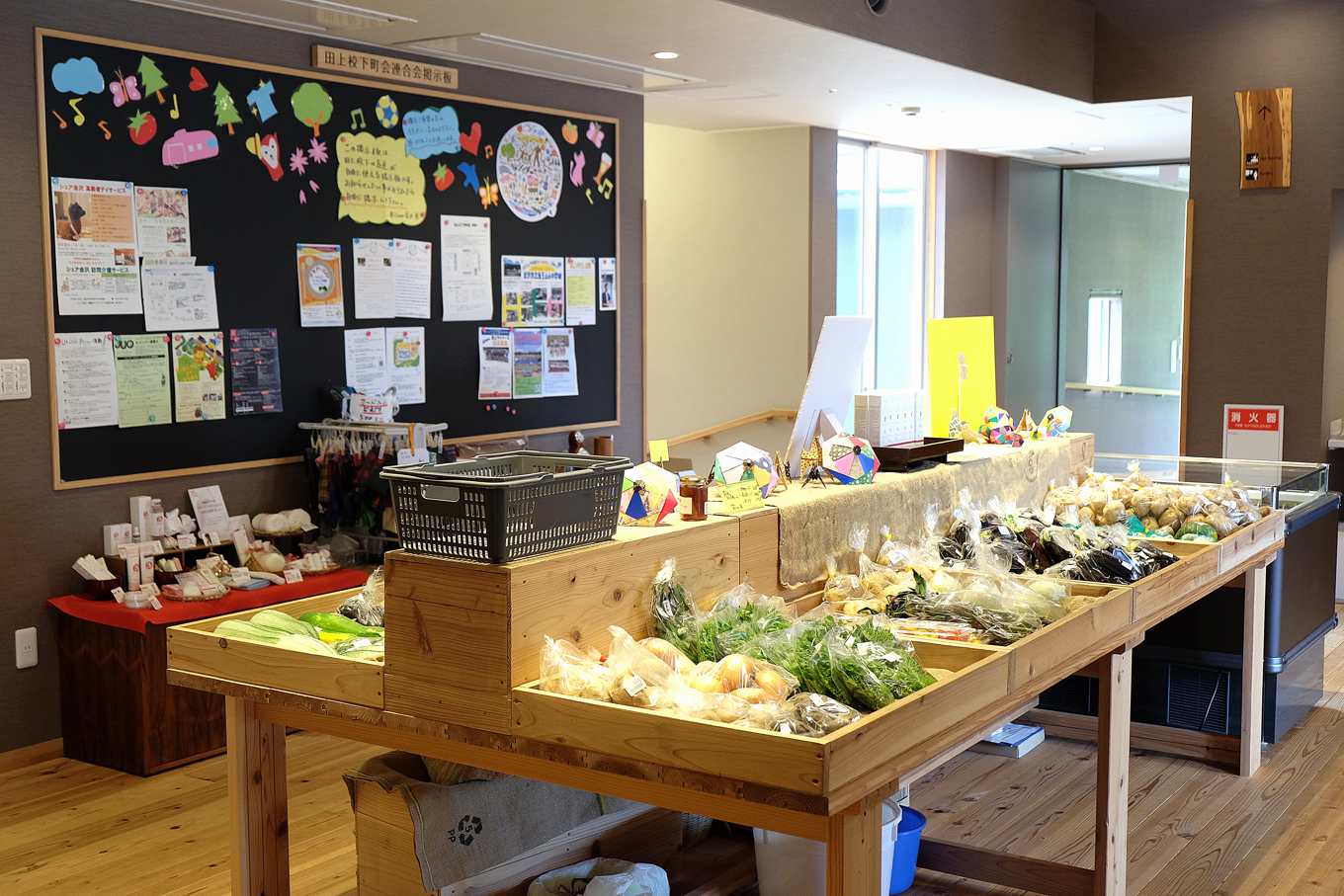
On an actual visit to Share Kanazawa, facility director Okumura Toshiya made a surprising statement: "Share Kanazawa is not a 'care community for the elderly,' and it has never aimed to be one. Besides elderly people, those living here include children, people with disabilities, university students, and many local residents come and go every day. It is a multi-generational 'big mixed community.'"


(Thanks to Yu Shangru, chairman of the Taiwan Society of Home Health Care, and Igarashi Yukiko, Chinese-Japanese interpreter, for assisting with the interview arrangements.)