Fewer fish are caught, and the fish on our plates keep getting smaller: Seafood Consumption Series (Part 2)
If you want to buy organic agricultural products, it is not difficult: produce that has passed organic certification carries an organic label to help you identify it. But did you know that seafood products have a similar label? As many as 7,000 seafood items have passed traceability certification, yet in stores they have almost vanished without a trace. Why?
Because seafood products with traceability certification are not favored by stores. If we look into the reasons, there are linked connections across system design, policy implementation, market mechanisms, and consumer awareness. If any one link is missing, it becomes extremely difficult to push the whole system forward. This article continues from the previous one and explores the progress of promoting traceability for seafood products.
What does traceability track?
"Traceability" is meant to give sold food a traceable channel, so that when a food safety problem occurs, the point of the problem can be found through the traceability record and the problematic food can be immediately removed from the market. On the other hand, traceability also clarifies where responsibility lies and strengthens the production responsibility of every link involved in the food-making process.
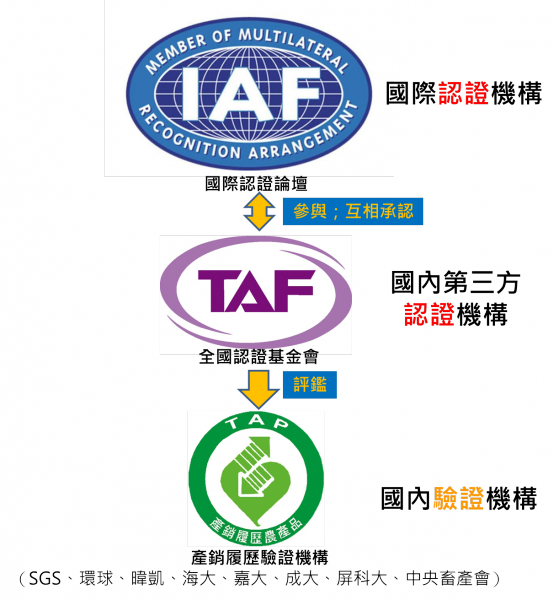
| Internationally, there are international certification bodies (such as IAF), and domestic certification bodies (TAF) sign agreements with them to carry out technical exchange and mutual recognition of the validity of certifications. Domestic verification bodies must pass TAF assessment before they can become legal traceability verification units, accept applications from farmers and fishermen, and verify products. At present, there are 8 institutions engaged in seafood product verification domestically (SGS, Universal, Weikai, National Taiwan Ocean University, National Chiayi University, National Cheng Kung University, National Pingtung University of Science and Technology, and the Central Livestock Production Association).
Read the complete series:Fewer fish are caught, the ones you eat keep getting smaller - about seafood consumption (Part 1)Fewer fish are caught, the ones you eat keep getting smaller - about seafood consumption (Part 2)Fewer fish are caught, the ones you eat keep getting smaller - about seafood consumption (Part 3)For more professional agricultural science and technology information, please scan the QR code to follow WeChat: NongXunNET Please indicate the source when reprinting. Related Articles
|