What to Do When the Roots of Bambusa multiplex 'Fernleaf' (Fernleaf Hedge Bamboo) Go Moldy? Four Easy Fixes
Introduction: How to tell whether the roots are rotten. First, look at the color of the soil you are growing it in. In summer or autumn, when the weather is relatively changeable, watering once a day is fine. By the next day, check the color of the soil. If the soil is dry and somewhat white, that means everything is normal. If it is still
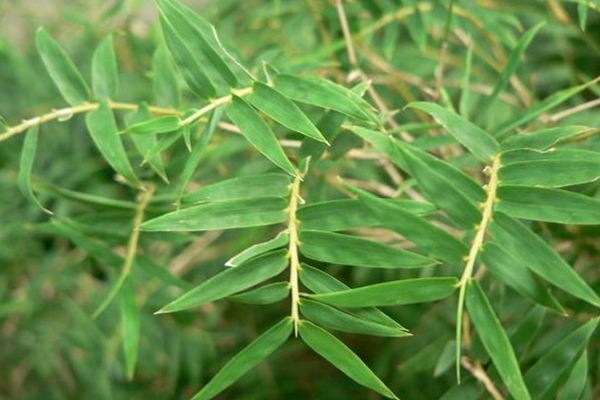
How to Tell Whether the Roots Are Rotten
First, look at the color of the soil you are growing it in. In summer or autumn, when the weather is relatively changeable, watering once a day is fine. By the next day, check the color of the soil. If the soil is dry and somewhat white, that means everything is normal. If it is still moist, then the roots may already be rotten. If it is still like this after three days, it means most of the roots have basically rotted away.
Second, look at the color of the leaves. Compared with other Fernleaf Hedge Bamboo plants, if the leaves have become dull and lusterless and are somewhat wilted, the roots may be rotten. If the lower leaves drop and turn yellow in large numbers during a season when they should not be shedding leaves, this may also be caused by rotten roots.
Solutions for Rotten Roots
If you determine that root rot has occurred, pay attention to watering. The first watering can be a thorough soaking; after that, water only enough to keep the soil from drying out and keep it moist. You can also treat it with medication: a 40% dimethoate solution at 1000 times dilution can be used to ease the condition.
Alternatively, you can cut away the rotten roots, and be sure to cut them away completely. After disinfecting the wounds, place the plant in a cool, shady spot to dry, then replant it as normal. Remember to also cut off the withered and rotten leaves.
For more professional agricultural science and technology news, please scan the QR code to follow WeChat: NongXunNET

Please indicate the source when reprinting.