How to Make Hydroponic Pothos Root Quickly
Guide: 1. Aerial roots. 1. What are aerial roots? The key to whether hydroponic pothos can root lies in these aerial roots. If you make good use of the aerial roots, you are more than halfway to fast rooting. At the joints of the stems there are raised bumps, and these are the aerial roots. Make good use of these aerial roots, and you too can easily grow lush green pothos. 2. How
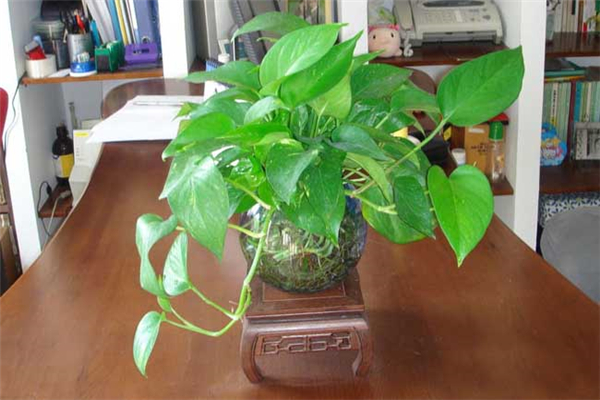
1. Aerial Roots
1. What Are Aerial Roots
The key to whether hydroponic pothos can root lies in these aerial roots. If you make good use of the aerial roots, you are more than halfway to fast rooting. At the joints of the stems there are raised bumps, and these are the aerial roots. Make good use of these aerial roots, and you too can easily grow lush green pothos.
2. How to Cultivate Them
They are called aerial roots, so naturally they cannot be placed directly in water. Prepare a bottle, fill it with water, and insert the end of the pothos that has aerial roots into the water. Be sure not to completely submerge the aerial roots; you can let half of them go into the water, or keep them all above the water surface. Within a few days you will find that the aerial roots have extended many aquatic roots, forming a well-developed root system.
2. Points to Note
Aerial roots are very important, but changing the water after planting is equally important. In the early stage, simply change it with fresh water every three days.
Some gardening friends have asked in comments whether white sugar can be used to make pothos root quickly. White sugar is used to delay the flowering period. The method for cultivating pothos is simple and easy to carry out. Personally, I think there is no need to use white sugar rooting water, but if you are impatient, you can also make your own rooting water.
Method for preparing rooting water: mix white sugar with hot water at a ratio of one to nine, let the sugar water cool to room temperature, place the pothos stems with aerial roots in it to soak, and after a few hours proceed with hydroponic culture.
For more professional agricultural science and technology information, please scan the QR code to follow WeChat: NongXunNET

Please indicate the source when reprinting.