Why are the leaves of the clivia curling at the edges, and what should be done?
The editor has extracted a summary for the following text: This plant has very high environmental value. During its growth, although it can absorb water and minerals from the soil to synthesize organic substances for its own use, this process must make use of the surrounding carbon dioxide. There are many stomata on the leaves of this plant that can absorb large amounts of dust, harmful gases and dirt. However, if the leaves curl at the edges, it also indicates that new problems have arisen in cultivation.
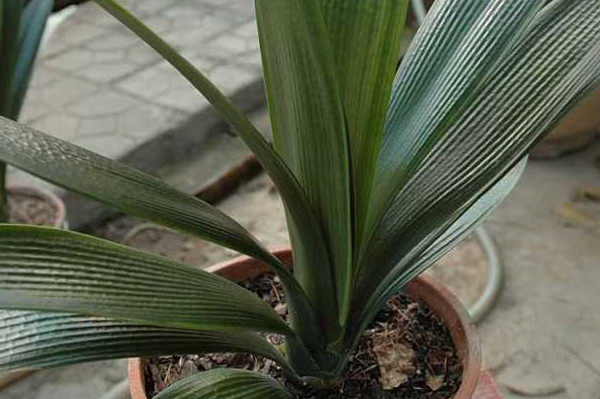
1. Division of offsets not adapting
When this plant is divided, the roots are damaged, so the roots cannot absorb nutrients normally, and the leaves show signs of curling at the edges. At this time, we should note that when dividing the plant, do not forcibly pull off the offsets; cut them directly with a knife, and immediately apply charcoal powder to the wound after cutting to prevent the offsets from rotting. When planting, also be careful to use sand that has already been sterilized for planting.
2. Moisture in the potting soil
If, when growing this plant, you forget to water it, causing the soil in the pot to become too dry, then there is not enough water supplied to the plant to meet its growth needs, and signs of leaf curling and shrinking will appear. When we notice this, we should water it promptly. In spring and autumn, just keep the soil in the pot slightly moist; it must not be too wet, otherwise signs of root rot are very likely to appear.
3. Poor growing medium
If the soil used for growing it itself has poor aeration and poor drainage, then the plant's root system will be unable to absorb the nutrients it wants because of suffocation, and the plant will then grow poorly. At this time, we should change the soil promptly. First carefully pull out the roots of the whole plant, then wash clean the soil on the root system, then prepare some mountain soil and sand, mix in one fifth sand according to the amount of mountain soil, stir evenly, and then carefully plant the plant into it; afterward the plant will enter a normal growth state.
For more professional agricultural science and technology information, please scan the QR code to follow WeChat: NongXunNET

Please indicate the source when reprinting.