Detailed Cultivation Techniques for the Flamingo Cymbidium ensifolium
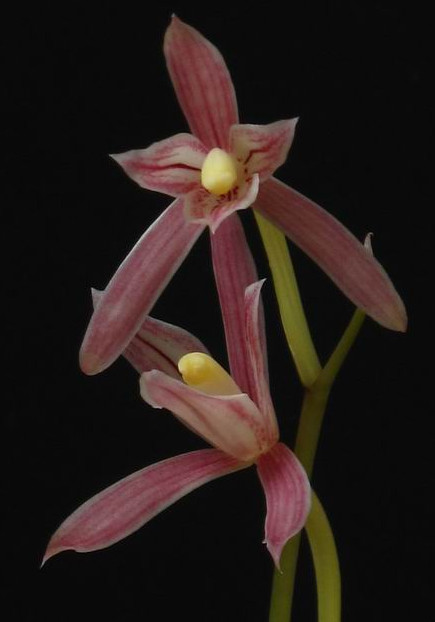
Flamingo; a Cymbidium ensifolium novelty flower, with a peach-red color that runs through the petals, stable flower color, the lip transformed into petal form, the flower facing upward, deep green leaf color with snake-like mottling, and graceful leaf posture.
It belongs to the medium-short grass type, with strong disease resistance and suitability for growing!
Key cultivation points for Cymbidium ensifolium
Soil: Cymbidium ensifolium has a well-developed, thick root system and has relatively high requirements for soil aeration. You can use peat soil, leaf mold, grass peat soil, fermented peanut shells, fermented sawdust, fermented raw wood shavings, decomposed tree bark, etc.
Watering: For potted Cymbidium ensifolium, keep the soil moist, but do not water too much. Never allow water to accumulate at the roots. In summer, spray the leaves with water more often.
Sunlight: Cymbidium ensifolium is an orchid species that relatively likes sufficient light. In daily care, it can be placed in the brightest spot on the top of the orchid shelf in the orchid room, and shaded as little as possible, otherwise it is not easy to produce flowers. Some Cymbidium ensifolium varieties even need full exposure in daily care to bloom.
Temperature: Cymbidium ensifolium has poor cold tolerance, and the overwintering temperature should not be lower than 3°C, otherwise frost damage will occur. It grows vigorously and flowers and fruits between 20° and 28°. Under suitable temperature and humidity, most varieties can bloom twice a year, and some varieties can bloom four times. It is not tolerant of high temperatures above 32°, and below 0° it will suffer frost injury, with the plant turning black and dying.
Fertilizing: During care, Cymbidium ensifolium should be fertilized according to the principle of light fertilizer applied frequently, and fertilization should be relatively frequent, so that Cymbidium ensifolium grows robustly and flowers properly.
Pests: In hot seasons, Cymbidium ensifolium is most prone to thrips and aphids damaging flower buds and flowers, causing buds not to grow, to turn brown, and to wither and die, and the flowers to be gnawed beyond recognition, seriously affecting ornamental value. Therefore, from bud formation to full bloom, Cymbidium ensifolium should focus on prevention, combining prevention and control, and timely spray pesticides for control to avoid pest damage.
Cultivating Cymbidium ensifolium is not difficult. By mainly grasping the key points of care, you can grow a pot of elegant and refined Cymbidium ensifolium flowers, which are excellent accents for decorating the living room, windowsill, balcony flower rack, and more.
For more professional agricultural science and technology information, please scan the QR code to follow WeChat: NongXunNET

Please indicate the source when reprinting.