What is Sedum multiceps? A real introduction to this plant
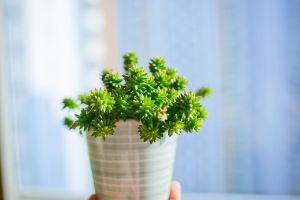
Sedum multiceps has fairly attractive leaf shape and leaf color, with a certain ornamental value. Potted plants can be placed beside a TV or computer and can absorb radiation, and can also be planted indoors to absorb substances such as formaldehyde and purify the air.
Other names for Sedum multiceps
Twisted-leaf crassula, twisted-leaf pagoda plant
Classification and family genus of Sedum multiceps
Succulent and fleshy plant, Crassulaceae, genus Sedum
Characteristics and habits of Sedum multiceps
A rather miniature succulent, very suitable for mixed arrangements with other succulents. It stays green year-round, and when sunlight hours increase and the temperature difference is great, the whole plant turns pink. It grows slowly in summer, needs little water, and is extremely easy to propagate and form clusters. Propagation is mainly by cuttings, and leaf cuttings also work.
A perennial miniature succulent. The plant is short, and the branches and leaves are very short, pressed against the fleshy stem. The leaves are fleshy and whorled, generally opening in a spiral, and the leaf tips have red edges after being exposed to sunlight. The flowers are terminal and white, and the flowering period is generally April to May.
It likes sunlight, is drought-tolerant, tolerates poor soil, and slightly tolerates semi-shade. It is not cold-tolerant and is not suitable for overly moist soil or an environment with too little light. It has strong adaptability and is relatively easy to cultivate. In summer, when temperatures are high, growth slows, so appropriately increase light.
How to care for Sedum multiceps
Watering:During normal care, keep the potting soil on the dry side; it should not be too wet. In dry seasons, you can spray a very small amount of mist-like water on the leaf surface.
Temperature:The suitable growth temperature is around 20-28°C. In winter, overwinter it indoors, and the indoor temperature should preferably not be lower than 10°C.
Fertilizing:Generally, during the plant's growing season, spray a thin foliar fertilizer once every 2 weeks or so.
Soil:For potting, choose a sandy soil with good aeration and drainage and rich in lime.
Pests and diseases:There are very few pests and diseases. During normal care, just pay attention to ventilation and light transmission.
Notes on caring for Sedum multiceps
Potted Sedum multiceps has a certain drought tolerance. Do not let water accumulate. When watering, if the soil is completely dry, be sure to water thoroughly. When watering, for pots with holes in the bottom, you can use the soaking method; for plants in containers without holes, you can use a small tool such as a spoon to water slowly.
When watering, try as much as possible not to let water accumulate on the leaves, and also prevent long-term water accumulation in the pot. In summer, when temperatures are high, pay attention to ventilation and shading, and avoid harsh sun exposure. In other seasons, give sufficient sunlight during care.
Appreciation of beautiful pictures of Sedum multiceps
For more professional agricultural science and technology information, please scan the QR code to follow WeChat: NongXunNET

Please indicate the source when reprinting.