Introduction to the Care Methods for the Frithia pulchra Succulent
Guide: The growth habits of Frithia pulchra originate from Namibia. It likes a warm, dry and sunny environment; it is not cold-tolerant and fears waterlogging and strong light. Favorite temperature: 18-24°C Watering: water once every 3 weeks during the growing period Light: full sun with ample light Propagation: mostly seed propagation and division propagation Pests and diseases:
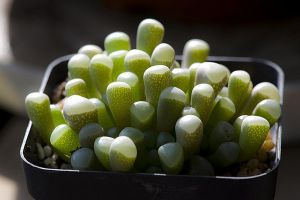
Growth Habits of Frithia pulchra
Native to Namibia. It likes a warm, dry and sunny environment; it is not cold-tolerant and fears waterlogging and strong light.
Favorite temperature: 18-24°C
Watering: water once every 3 weeks during the growing period
Light: full sun with ample light
Propagation: mostly seed propagation and division propagation
Pests and diseases: leaf rot, root-knot nematode
Combination suggestions: Lampranthus spectabilis, Kalanchoe luciae
Care Tips for Frithia pulchra
Potting soil: repot once every 2 years, in spring. During the growing period, water once every three weeks, keeping the potting soil slightly moist. In the high-temperature summer season, the plant body is in a semi-dormant state, the potting soil should be kept dry, and it should be placed in a cool and ventilated place.
Temperature: fertilize once a month, using fertilizer specially for potted flowers. At low temperatures in winter, it is forced into a dormant period, and the potting soil should be kept dry. If the winter room temperature is kept above 14°C, the plant can still grow normally.
Propagation Methods of Frithia pulchra
Sowing: the seeds are tiny; sow indoors in pots in spring; after sowing, no soil covering is needed, just press lightly. The suitable germination temperature is 21-24°C; germination occurs 8-10 days after sowing, and the seedlings grow slowly.
Division: carried out in spring together with repotting; pull apart the densely growing young plants and pot them directly.
For more professional agricultural science and technology information, please scan the QR code to follow WeChat: NongXunNET

Please indicate the source when reprinting.