How do you grow purple shamrock (Oxalis triangularis) so it fills out the pot?
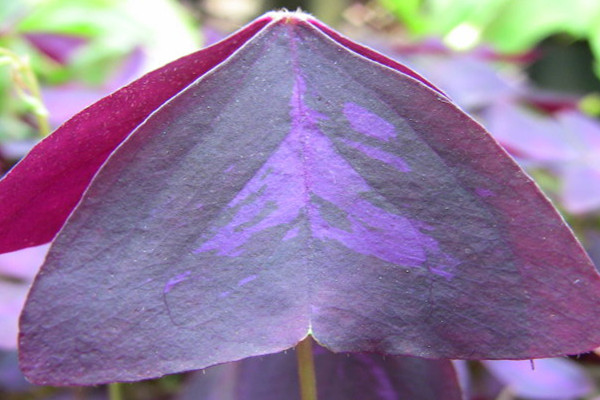
1. Soil
It likes fertile and moist soil, so the growing soil we choose for it should ideally have these qualities too. We can choose soil that is fairly fertile and has a certain ability to retain moisture. In addition, note that although it likes moist soil, it is afraid of waterlogging, so we should choose soil with a certain drainage capacity.
2. Temperature
The most suitable ambient temperature for its growth is 16°C to 22°C. This plant can adapt to the cold of winter, remaining evergreen through winter as long as the temperature stays above minus 5°C, but if it drops below minus 5°C, some of its leaves will wither; the underground part, however, will not die, and by March of the following year it can grow new leaves again.
But in the hot summer, when the ambient temperature exceeds 35°C, its leaves will curl up and its growth rate will slow down, entering a dormant state. So at this time you should promptly replenish water to its leaf surfaces, shade it, and improve ventilation.
3. Sunlight
To grow healthily, it certainly cannot do without light, so we need to grow it in an environment where it can receive full sun or partial sun.
In the peak growing seasons of spring and autumn, it needs light even more. If the growing environment is too shady at this time, its leaves will become dull, its leaf stalks will become thin and weak, and the plant shape will become straggly; at that point there is no point talking about filling out the pot. But correspondingly, in summer when the light is fairly strong, we must also pay attention to shading it, otherwise scorching can occur.
4. Water
During the growing period we should keep its soil in a moist state. As for watering, it is best not to water until the surface of the potting soil is dry; once you water, water thoroughly. In summer, when it enters dormancy, we only need to spray water to keep the potting soil slightly moist. In winter, when the temperature drops, watering should favor dryness over excessive moisture, so as to avoid root rot.