In what environment does Echeveria runyonii 'Topsy Turvy' grow better?
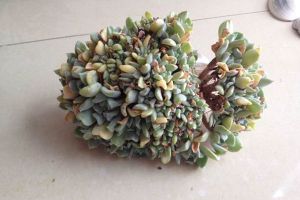
Growth habits of Echeveria runyonii 'Topsy Turvy'
It is a cultivated variety of Echeveria runyonii. It likes a warm, dry and sunny environment. It is not cold-tolerant, and tolerates drought and partial shade.
Favorite temperature: 18-25°C
Watering: water once every week during the growing period
Light: full sun with sufficient light
Propagation: cuttings, division
Pests and diseases: rust disease, root-knot nematodes
Combination suggestions: Echeveria 'Chihuahuaensis', Echeveria 'Frosty Morn'
Care tips for Echeveria runyonii 'Topsy Turvy'
Potting soil: repot every spring. When repotting, cut off the withered leaves at the base of the plant and the overly long fibrous roots. Use a mixed soil of peat soil and coarse sand.
Watering: during the growing period, the potting soil should not be too wet; water once a week. In winter, water only 1-2 times and keep the potting soil dry. When the air is dry, spray water around the plant to increase air humidity.
Fertilizing: fertilize once a month during the growing period, using diluted cake fertilizer water or special fertilizer for potted flowers. Provide appropriate shade in summer, and place it in a warm, sunny place to overwinter in winter.
Propagation methods of Echeveria runyonii 'Topsy Turvy'
Cuttings: cut off mature leaves and take cuttings, inserting them into a sand bed; they root after about 3 weeks, and after growing young plants they can be potted. Note that the cut should be flat, and insert only after the cut has dried.
Division: if daughter plants sprout from the base of the mother plant, they can be divided and propagated in spring.
For more professional agricultural science and technology information, please scan the QR code to follow WeChat: NongXunNET

Please indicate the source when reprinting.