What are the characteristics of Pachyphytum compactum? A complete guide to this succulent plant
Pachyphytum compactum is a small succulent plant in the Crassulaceae family, Pachyphytum genus, also known as a succulent plant, native to Hidalgo State in Mexico. The leaves of Pachyphytum compactum resemble spindles and are very lovely. Currently there are very few species in this genus, and as one of the representative species of the genus it should be collected and cultivated. The patterns on the leaves are inherent to the plant, making it one of the rare succulents with patterned leaves.
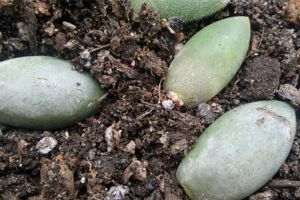
Growing habits of Pachyphytum compactum
Native to Mexico, with its growing season in winter. It prefers a warm environment with plenty of sunlight. It is not cold-hardy and should not be kept below 5°C in winter. It dislikes intense direct sunlight.
Preferred temperature: 18-25°C
Watering: water once a month
Light: full sun, ample
Propagation: sowing, cuttings
Pests and diseases: insect pests rarely occur
Companion planting suggestions: Crassula capitella 'Campfire', Echeveria pulvinata
Care tips for Pachyphytum compactum
Potting soil: repot once every 2 years, in spring. When repotting, prune away the shriveled dead leaves at the base of the plant and overly long fibrous roots. When handling, never touch the fleshy leaves directly with your hands, otherwise fingerprints will be left or obvious touch marks will appear. Use a mixed soil of leaf mold or peat soil plus coarse sand.
Watering: water once a month in early spring and autumn, stop watering in winter, and keep the potting soil dry. The potting soil should not be too wet, otherwise the fleshy leaves will become leggy, or the plant will easily rot.
Fertilizing: fertilize once a month during the growing season, using diluted cake fertilizer water or a special fertilizer for potted flowers. Applying thin fertilizer is best. In winter, place it in a sunny spot to overwinter.
Propagation methods of Pachyphytum compactum
Sowing: sow in spring, with an optimum germination temperature of 19-24°C.
Cuttings: take stem or leaf cuttings for propagation in spring and summer.
For more professional agricultural science and technology news, please scan the QR code to follow WeChat: NongXunNET

Please indicate the source when reprinting.