The Flowers Have Rot? Just Apply a Bit of This and They'll Instantly Come Back to Life and Overflow the Pot
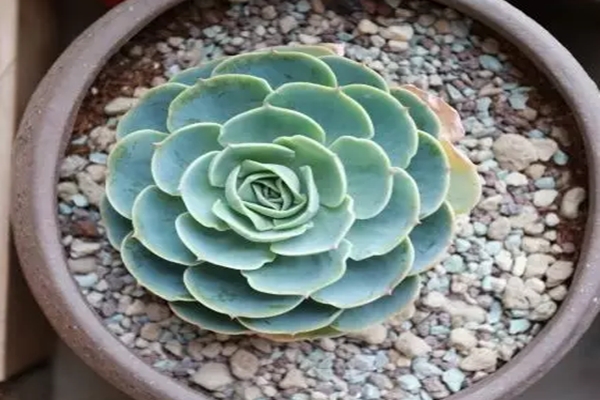
Succulents with Black Rot and Root Rot? Apply a Bit of Erythromycin Ointment!
When it comes to flowers prone to black rot, if Huahua says succulents rank first, then surely no other flower would dare claim second place! Once you find that your succulents have black rot, be sure to promptly apply some antibacterial and disinfecting erythromycin ointment, and your succulents will be easily saved!
How Do You Apply Erythromycin Ointment to Succulents?
1. Once you discover that your succulents have black rot and root rot, promptly remove them from the pot and clean off as much soil from the roots as possible.
2. Before treating the black rot on your succulents, remove all the leaves that have shown black rot and water-soaked rot, so as to prevent the black rot from spreading further.
3. Find a sterilized knife and cut off all the black-rotted parts of the succulent's roots and stems. Remember, the black-rotted parts must be completely cut away until the white, tender roots and stems are exposed. Then place them in a cool, ventilated spot to let the wounds dry.
4. Erythromycin ointment has antibacterial and disinfecting properties. Applying some to your succulents can effectively prevent pathogen infection and promote wound healing. Apply erythromycin ointment to the succulent's wounds, then place them in a ventilated spot to air-dry for a while.
5. Repot the succulents. You can lay a layer of expanded clay pellets at the bottom of the pot to ensure the soil is loose and breathable, and you can also mix in some slow-release fertilizer into the potting soil. Afterward, place the succulents in a ventilated spot to recover for about 1 week, then move them to a south-facing balcony.
Money Tree with Root Rot? Soak It in Carbendazim!
In winter, you must not overwater a money tree, because its roots are relatively shallow, winter temperatures are low, and water evaporates slowly. If you're not careful, the entire root system will rot away.
How Do You Use Carbendazim on a Money Tree?
1. Once you discover that your money tree has root rot, promptly remove it from the pot, dig out the roots, and use a sterilized knife to cut away all the rotted roots.
2. Prepare carbendazim to disinfect the roots. To make the effect even better, you can also mix carbendazim, root rot remedy, and rooting powder together - it both disinfects and promotes rapid root growth in the money tree.
3. Soak the money tree's roots in the carbendazim solution for at least 1 hour or more to achieve the disinfecting effect, then place them in a cool, ventilated spot to let the wounds dry.
4. Simply repot the money tree. For the potting soil when repotting a money tree, be sure to choose a loose, breathable nutrient soil. You can mix peat soil and perlite in a 2:1 ratio. In winter, be sure to water less to ensure the money tree doesn't get root rot.
Pothos with Root Rot? Apply a Bit of Daklin!
The method of using Daklin to prevent and treat root rot was told to Huahua by a fellow flower enthusiast. At first, Huahua was a bit skeptical, until later when I tried it myself and realized it was true!
How Do You Use Daklin on Pothos?
1. Pothos often has problems in winter. Whether it's root damage from low indoor temperatures or root rot from overwatering, you should first remove it from the pot and clean off the soil from the roots.
2. Find a sterilized knife and cut off all the rotten roots, weak roots, and thin roots from the pothos root system.
3. Daklin is an antifungal medication that can inhibit fungal growth, thereby preventing bacterial infection. Apply a thick layer of Daklin on the pothos roots, then place them in a cool spot to let the wounds dry.
4. Prepare loose, breathable soil, such as peat soil or coconut coir, and repot the pothos. After repotting, first place it in a cool spot to recover for a week, then move it to a spot indoors with good indirect light. Make sure the indoor area is well-ventilated, and try to water at noon.
Clivia with Root Rot? Soak It in Potassium Permanganate!
When it comes to flowers prone to root rot, Huahua thinks Clivia also deserves a spot on the list. After all, Clivia's fleshy roots are quite sensitive to moisture, and if you're not careful, they can rot and die!
How Do You Use Potassium Permanganate on Clivia?
1. Once a Clivia gets root rot, it will show various symptoms of yellowing leaves and wilting. At this point, you need to remove it from the pot and pull off all the soil from the roots.
2. Prune the Clivia's root system, cutting off all the rotted roots, and also cut off the old roots and weak roots at the same time.
3. Prepare a potassium permanganate solution and soak the pruned Clivia roots in it for about 20 minutes or more, then take them out and place them in a cool, ventilated spot to let the wounds dry.
4. To ensure looseness and breathability, you can place some broken tile pieces at the bottom of the Clivia's pot, then add nutrient soil. You can even sprinkle a handful of roasted melon seeds or peanuts into the pot, then simply repot the Clivia.
That's all Huahua has to share today.
Have all you flower enthusiasts learned it?
If you also have flowers with root rot at home,
why not try Huahua's methods!