What kind of growing environment does the rat tail cactus like
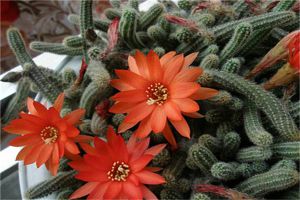
The rat tail cactus is a type of plant in the Cactaceae family, and like most cactus plants, it has many small spines. The rat tail cactus also produces beautiful flowers.
Alternative names of the rat tail cactus
The rat tail cactus is also called Aporocactus flagelliformis and salvia.
The rat tail cactus plant has many branches and they are also very long, covered with radiating spines. The rat tail cactus blooms in April--May, the color is mainly pink, the flowers open during the day and close at night.
Growth habits of the rat tail cactus
The rat tail cactus is a relatively common cactus plant used for ornamental purposes. It likes an environment with sufficient light, and the temperature needs to be kept relatively high. In winter, the overwintering temperature should be kept above 10°C. The soil is generally soil with relatively good drainage and air permeability, and it can be made by mixing leaf mold and sand.
Ornamental value of the rat tail cactus
The rat tail cactus is a plant with relatively good ornamental value. Its long modified stems are very much like a mouse's tail, and it is also very beautiful when it blooms. The rat tail cactus is relatively suitable for pot cultivation or hanging basket cultivation for ornament.
For more professional agricultural science and technology information, please scan the QR code to follow WeChat: NongXunNET

Please indicate the source when reprinting.