What makes the hosta (Hosta plantaginea) so special? A detailed introduction to its characteristics
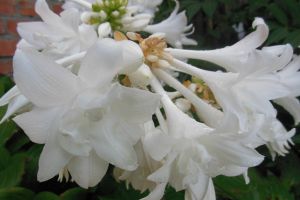
The hosta is a perennial herbaceous flowering plant of the lily family (Liliaceae). Its jade-green leaves are lustrous, it stands clean and upright, its flowers are lovely, and its fragrance fills the air; it is a traditional fragrant flower of our country. Not only does it have high ornamental value, but the whole plant can also be used medicinally. Keeping a pot of it at home is wonderful!
Other names for the hosta
It gets its name because its flower buds are as delicate and lustrous as jade and shaped like a hairpin. Different regions have different names for it, such as: Yuchunbang, Baihehua, Baie Neixiaohua, Baihexian, Baie, Baiyuzan, Xiao Bajiao, Jinxiaocao, Huagulian.
The habits of the hosta
Native to China and Japan. The flowers are white or purple, funnel-shaped, with the front section divided into 6 petals, and the flowering period is 7~9 months.
Cold-resistant, it prefers partial shade and dislikes direct sunlight, and is suitable for planting in fertile, moist, well-drained sandy loam.
A typical shade plant; its leaves turn yellow when exposed to strong light.
In most regions of our country it can overwinter outdoors, and its aboveground parts wither after frost.
The flower language of the hosta
Tranquil and gentle.
The hosta is like the lotus: it grows in mud yet remains unstained, elegant and pure.
The value of the hosta
Landscape value: nowadays gardens mostly plant it on lawns under trees, on rocks, or on the shady side of buildings
Medicinal value: the whole plant can be used medicinally. The flowers, when used as medicine, have the effect of draining dampness and regulating menstruation and stopping vaginal discharge; the roots, when used as medicine, have the effect of clearing heat and reducing swelling, and detoxifying and relieving pain; the leaves can detoxify and reduce swelling.
For more professional agricultural science and technology information, please scan the QR code to follow WeChat: NongXunNET

Please indicate the source when reprinting.