What are the characteristics of hellebore? Let us introduce you to this plant
Hellebore is a perennial evergreen herbaceous plant in the Ranunculaceae family, about 30 cm tall. The flowering period is March-April. It is distributed in China and Europe.
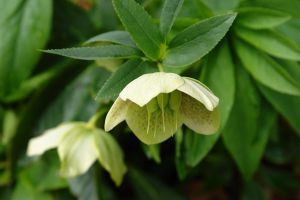
Morphological characteristics of hellebore
Hellebore is a perennial evergreen herbaceous plant, with 5 petals, 5 sepals, numerous stamens, and nectar glands. After flowering, the sepals persist and can remain on the plant for as long as several months. It grows about 30 cm tall.
Flower colors also include white, green, purple, and black-purple, and many also have spots and stripes; flower forms include single, semi-double, and double; flowers can be upright or nodding.
Growth habits of hellebore
Hellebore prefers a warm, humid, semi-shaded environment, is relatively cold-tolerant, and dislikes dry cold. It grows best in loose, fertile, well-drained sandy soil.
Distribution area of hellebore
Hellebore is native to western China, and many varieties are also native to southern and central Europe, with a distribution from western United Kingdom, Spain and Portugal all the way east along the northern shore of the Mediterranean, central Europe and Romania, Ukraine, the northern shore of Turkey to the Caucasus, mostly concentrated in the Balkan Peninsula.
For more professional agricultural science and technology information, please scan the QR code to follow WeChat: NongXunNET

Please indicate the source when reprinting.