A Comprehensive Analysis of the Characteristics of the Succulent Echeveria glauca
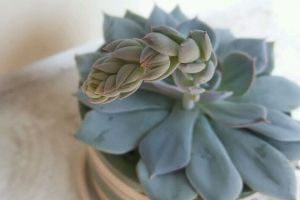
Echeveria glauca is a succulent in the Crassulaceae family, Echeveria genus, with very distinctive blue leaves that turn blue-green when light is insufficient. The leaves are covered with a white powder, and once it wears off, the leaves are smooth and bright. It is a common small to medium-sized variety for home cultivation.
Common names of Echeveria glauca
Echeveria glauca is commonly known as Echeveria peacockii.
Habits of Echeveria glauca
Echeveria glauca is a succulent in the Crassulaceae family, Echeveria genus, and spring and autumn are its peak growing seasons.
Echeveria glauca is native to Mexico and prefers a warm, dry environment with plenty of sunlight. Its suitable growing temperature is 18-25°C.
Echeveria glauca is not cold-tolerant, so in winter move it indoors for care and increase the temperature appropriately. It tolerates partial shade and drought, and during the growing season watering once a week is enough.
Care tips for Echeveria glauca
Repotting: Repot every spring. Choose loose, breathable soil for the pot, which can be a mix of peat soil and coarse sand with a small amount of bone meal added.
Watering: Usually, water Echeveria glauca once a week and just keep the potting soil dry. In winter, water once a month, 1-2 times is enough, keeping the potting soil dry. In summer, when the weather is hot and the air is dry, do not spray water on the leaf surface; instead, you can mist around the bottom of the pot to avoid water collecting in the leaf rosette and causing the plant to rot.
Fertilizing: Fertilize once a month during the growing season, using diluted cake fertilizer or specialized succulent fertilizer. When fertilizing, do not splash the fertilizer solution onto the leaf surface, so as not to burn the leaves and affect their appearance.
Pests and diseases: Common pests and diseases include rust disease and black weevil.
Propagation methods for Echeveria glauca
Cuttings: In late spring, cut off mature leaves, place them in a cool place for 1-2 days, and after they dry, insert them into soil or lay them flat on a sand bed. They will root 20 days after insertion.
Hydroponics: Echeveria glauca is a rare hydroponic succulent. Cut off a section of the top stem of Echeveria glauca, insert it into soil, and after white roots grow, transfer it to hydroponics. In autumn, add a small amount of nutrient solution to the water; in summer and winter, plain water is enough.
Suggested planting combinations: Echeveria derenbergii, Echeveria 'Perle von Nurnberg'.
For more professional agricultural science and technology information, please scan the QR code to follow WeChat: NongXunNET

Please indicate the source when reposting.