How adaptable is Gomphrena globosa? A detailed look
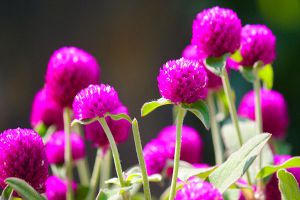
Gomphrena globosa has brightly colored, glossy flowers that do not wither after drying and remain unchanged for a long time, which is how it got its name. It is widely planted in northern China, and besides being used for flower beds and bonsai decoration, it can also be used as decoration for wreaths and flower baskets.
Other names for Gomphrena globosa
Globe amaranth, bachelor's button.
Growth habits of Gomphrena globosa
Gomphrena globosa is highly vigorous and not strict about environmental requirements. It likes a sunny environment, tolerates dry heat and drought, is not cold-tolerant, and fears waterlogging.
Gomphrena globosa grows best in fertile, loose soil, and the most suitable temperature for growth is 20-25°C; at temperatures of 35-40°C it can also grow well. However, it is not cold-tolerant, and when the winter temperature is below 10°C, the plant grows poorly or gets frostbite.
Gomphrena globosa is highly vigorous and very tolerant of pruning. After the flowers fade, timely pruning can allow it to continue sprouting new branches and continue blooming. The normal flowering period is from July to October.
The flower language of Gomphrena globosa
Undying love.
The flowers of Gomphrena globosa are very small and not very eye-catching, suitable for viewing in masses. But after drying, the flower buds of Gomphrena globosa can remain unfaded for a long time, and its flower language comes from this.
For more professional agricultural science and technology information, please scan the QR code to follow WeChat: NongXunNET

Please indicate the source when reposting.