Jujube trees have a greater advantage when grown in such an environment
Jujube is a relatively common fruit that many people like to eat. Quite a few people grow jujube trees, though most grow them in courtyards or in front of their doors, and some make them into potted plants.
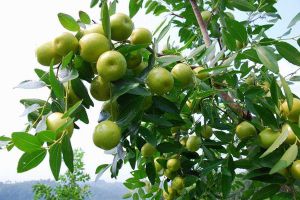
Other names for jujube
Jujube, also known as Chinese date, jujube, sour jujube, and wild jujube.
Growth habits of the jujube tree
The jujube tree is a warmth-loving tree, and during growth the temperature should be kept within a relatively suitable range, generally with an average temperature of 15°C. The jujube tree is relatively drought-tolerant and also relatively tolerant of waterlogging, so suitable watering is enough, but during flowering it requires relatively high air humidity, and the jujube tree also relatively likes light.
The jujube tree has relatively strong adaptability to soil and tolerates poor, thin soil.
Jujube trees are mainly propagated by division and grafting.
Main uses of the jujube tree
The main use of the jujube tree is its fruit. Its fruit has high edible value and can be eaten directly, or processed into candied fruit, preserved fruit, or made into jujube vinegar or jujube wine. The tree itself also has great uses and can be carved, or used as a raw material to make many other items.
For more professional agricultural science and technology information, please scan the QR code to follow WeChat: NongXunNET

Please indicate the source when reposting.