Cineraria has these other names too, did you know?
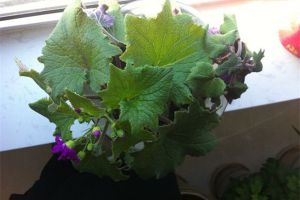
Morphological Characteristics of Cineraria
Perennial herbaceous plant, stem upright, 30 cm to 70 cm tall, covered with dense white long soft hairs. Cineraria leaves are kidney-shaped or broadly kidney-shaped, green on top, grayish-white underneath, covered with dense soft hairs. Capitulum inflorescence, florets purple-red, light blue, pink, and dense white. Flowering period January to April, fruiting period March to July.
Growth Habits of Cineraria
Cineraria prefers a warm, humid, and well-ventilated environment. It is not tolerant of high temperatures and is afraid of frost. It is generally cultivated in a warm greenhouse, and the temperature at the leaf tips should not be lower than 5°C. If the room temperature is too high, it is prone to leggy growth, causing internode elongation and loss of commercial value. If the temperature is too low, it affects plant growth and the flowers develop small.
Cineraria is a light-loving plant; with sufficient sunlight, the leaves are thick and deep-colored, and the flower colors are bright, but excessively strong sunlight can also cause leaf curling. Cineraria needs to maintain sufficient moisture, but it must not be too wet; it is best if the leaves do not wilt.
Varieties of Cineraria
Cineraria is a perennial herbaceous bulbous plant with brilliantly colorful flowers; the main cultivated varieties include Europe's "red flower", Africa's "pink flower", and the Mediterranean's "red with spotted markings", etc. The flowering period is from December to April of the following year, with the peak blooming period in February to March, and it is one of the main ornamental potted flowers during New Year's Day and the Spring Festival. At Jingchun Flower and Tree Garden, a new variety with multiple colors on one flower has also appeared. Cineraria is cross-pollinated, so there are many horticultural varieties.
Cineraria has extremely many horticultural varieties. They can be roughly divided into four categories: large-flowered, star-shaped, intermediate, and multi-flowered, and within different types there are varieties with different degrees of double flowering and varying heights.
Value and Applications of Cineraria
Cineraria is one of the main flowering plants for viewing in winter and spring. Its flowers are bright and can be planted in flower beds or potted and arranged in courtyards, corridors, and passageways, giving people a fresh and pleasant feeling. Cineraria is a greenhouse flower; when potted as an indoor display, its flowering period is early, and blooming in the cold winter is especially precious. Its flower colors are rich and bright, especially the blue flowers, which shimmer with a velvet-like luster, elegant and moving. Cineraria blooms neatly, and the flower shape is full; it can be displayed on low indoor stands, or multiple pots can be arranged in rows to form patterns to decorate hotel inner courtyards or meeting halls and theater forecourts, a profusion of flowers, full of joy. Usually, a single pot can be viewed for more than 40 days.
Cineraria Flower Language
The flower language of cineraria is: joy, cheerfulness, happiness, family joy, prosperity and flourishing.
For more professional agricultural science and technology information, please scan the QR code to follow WeChat: NongXunNET

Please indicate the source when reprinting.