The star cactus can also be called this - did you know these alternative names?
The star cactus, also known as dou or xingguan, is the representative species of the genus Astrophytum. Native to the United States and Mexico. It starts out spherical, then becomes flattened globe-shaped and even disc-shaped. With its dignified posture, dark green skin studded with white dots, and elegant tufts of hair, this wonderful balance and solemnity never grows tiresome and gives a sense of stability.
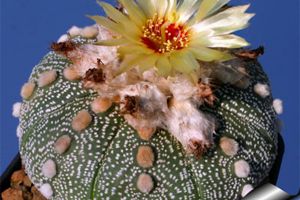
Growing Habits of the Star Cactus
Native to northern Mexico and the southern United States. It likes warm, dry and sunny environments. Relatively cold-tolerant, able to withstand short periods of frost.
Favorite temperature: 18-25°C at room temperature
Watering: water once every 2 weeks during the growing season
Light: full sun
Propagation: sowing, grafting
Pests and diseases: gray mold, red spider mite
Combination suggestions: Lithops, Sedum adolphi
Planting and Care Tips for the Star Cactus
Care Tips for the Star Cactus
Potting soil: the root system is relatively shallow, so when potting, the body should not be planted too deep, and the bottom of the pot should be lined with plenty of tile pieces to aid drainage. Use a mix of leaf mold and coarse sand for the potting soil, adding a small amount of bone meal and dried cow dung.
Fertilizing: keep the potting soil moist during the growing season and provide plenty of sunlight. Fertilize once a month or use a 15-15-30 special fertilizer for potted flowers.
Temperature: in winter the body enters dormancy; the temperature should not be too high, with 10°C being suitable. Keep the potting soil dry; mature plants should be repotted once every 3-4 years.
Propagation Methods for the Star Cactus
Sowing: sow mature seeds by the end of April; the suitable germination temperature is 22-25°C, and they germinate 3-5 days after sowing.
Grafting: carry out in May-June, commonly using Hylocereus undatus or Echinopsis huascha as rootstock, and using seedlings or offsets as scions. After grafting, they survive in about 10-12 days and can bloom the following year.
For more professional agricultural science and technology information, please scan the QR code to follow WeChat: NongXunNET

Please indicate the source when reprinting.