8 Common Problems in Growing Flowers That 99% of People Fall Victim To
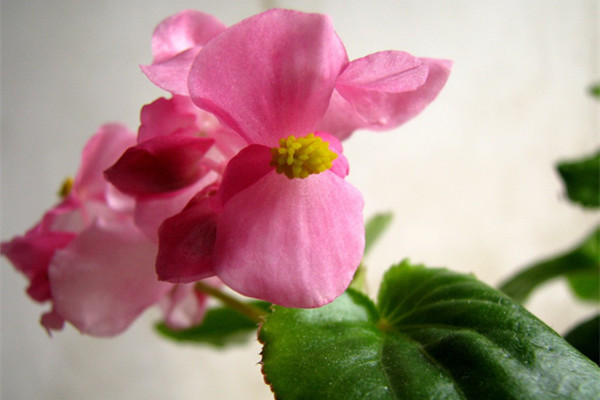
How to grow flowers in a heated room in winter?
As the weather gets colder, the heating is gradually being turned on, so how should you grow flowers in a heated room:
1. Temperature
The temperature in a heated room generally reaches above 15 degrees, so it is suitable for flower growth, but be sure not to place plants on the radiator.
2. Water
In winter, plants are in a dormant state and need less water, but because the temperature in a heated room is high, plants still have a small amount of activity. At this time, you should not cut off water to the plants, but appropriately reduce the amount of watering. When watering, the water temperature should be similar to room temperature, otherwise it is easy to damage the roots.
3. Light
Try to place plants in a place with sufficient light, such as a balcony or living room, and also pay attention to cold protection.
4. Ventilation
The temperature in a heated room is relatively high and the air does not circulate, so it is best to open the windows for ventilation at noon when it is warmer.
How often should you water flowers grown at home?
How often to water depends on the plant's need for water. Some plants like water, some do not. Watering amount also varies with plant size and season.
So when judging whether a plant needs water, you can touch the soil moisture with your finger. If the soil feels dry, water it. If it is a plant with relatively thin leaves, such as spider plant, pothos, peace lily, etc., water immediately when you see the leaves starting to droop.
How should plants be fertilized?
Fertilizing has always been a big problem for flower lovers. In fact, it is enough to master the following 3 tips:
1. Fertilize at the right time
Fertilize when the plant needs it, such as during the plant's normal growth period, when leaves turn yellow due to lack of fertilizer, and when branches are unfolding leaves. In general, apply more nitrogen fertilizer at the seedling stage and more phosphorus fertilizer at the bud stage.
2. Fertilize in the right amount
When fertilizing flowers, the key is to apply thin fertilizer frequently. The number of fertilizer applications should be greater, but the amount each time should be small.
3. Fertilize according to the season
More fertilizer can be applied in spring and summer, because this is the period of vigorous plant growth. After the beginning of autumn, plants gradually enter dormancy, so start reducing the amount of fertilizer. During winter dormancy, fertilization can be stopped completely.
Which plants are suitable for placing in the bathroom?
The bathroom generally has weaker light and higher humidity, so it is recommended to grow some shade-tolerant and moisture-loving plants. Here Huahua recommends the following: pothos, spider plant, lucky bamboo, cast iron plant, corn plant, and parlor palm.
What is going on when plants develop yellow leaves?
Many flower lovers have this problem. It was still green when just bought home, but as they care for it, the leaves turn yellow. What is going on?
In fact, there are many reasons for yellow leaves. When leaves turn yellow, you must check your own care methods and see where the problem is. The inspection needs to consider the following aspects:
1. Light problem: whether the light is too weak or too strong.
2. Water problem: whether it has not been watered for a long time, or has been watered too much.
3. Temperature problem: whether the temperature where the plant is placed is suitable for the plant's growth.
After discovering the problem, solve it in a targeted way. Only then can the plant's yellow leaf problem be improved quickly.
Why do flower buds keep falling off?
Although buds have formed, they fall before opening. What is going on?
The most common problems with bud drop are dry air, lack of water in the plant, and insufficient light. Many flower lovers also like to move plants around, which can also easily cause bud drop.
Why do the flowers I grow not bloom?
The main reasons for not blooming are as follows:
1. Too little light
Too little light leads to poor plant growth and prevents flower bud differentiation, so the plant does not bloom.
Solution: increase light
2. Too much nitrogen fertilizer
Too much nitrogen fertilizer causes excessive vegetative growth, which in turn inhibits the plant's growth.
Solution: apply fertilizer in appropriate amounts during the growth period, and apply more phosphorus and potassium fertilizer during flower bud differentiation.
3. Malnutrition
If the plant grows too weakly and fertilizer is insufficient, it can also easily fail to bloom.
Solution: fertilize reasonably and ensure sufficient light.
What should you do if plants are over-fertilized?
When plants are over-fertilized, it is easy to cause fertilizer damage and lead to plant death. At this time, the following two methods can be used to solve it:
1. Wash the roots and change the potting soil:
Take the plant out of the pot, remove the potting soil, rinse the root system, prune the damaged roots, and then repot it.
2. Water thoroughly or soak:
For delicate flowers that are not suitable for repotting, you can water thoroughly several times to flush out the fertilizer, and you can also soak the flowerpot in water to reduce the concentration of fertilizer damage.