What are the alternative names of Sinocalycanthus chinensis? Let us introduce you to the other names of this plant
Sinocalycanthus chinensis is a plant with relatively good ornamental value, but it is rather scarce, so it appears especially precious.
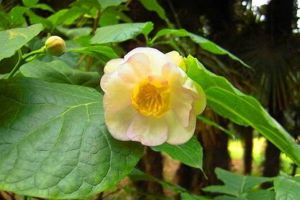
Alternative names of Sinocalycanthus chinensis
Sinocalycanthus chinensis, also called peony wood, yellow loquat, is also known as land lotus.
Ornamental value of Sinocalycanthus chinensis
Sinocalycanthus chinensis is a true member of the Calycanthaceae family, its flowers are large and very beautiful, so its ornamental value is very high, but it is itself a rare flower unique to China, and is a national second-class protected plant, which adds even more of a mysterious color to it.
Sinocalycanthus chinensis generally blooms in early summer; besides its extremely high ornamental value, it can also be used as medicine.
Growth habits of Sinocalycanthus chinensis
Sinocalycanthus chinensis likes a warm and humid growing environment, and its adaptability is relatively strong. In southern regions, Sinocalycanthus chinensis can overwinter normally; it can tolerate high temperatures in summer and can also withstand low temperatures of -15°C in winter, but be careful not to let water accumulate.
Sinocalycanthus chinensis grows well in sandy soil with good drainage.
For more professional agricultural science and technology information, please scan the QR code to follow WeChat: NongXunNET

Please indicate the source when reprinting.